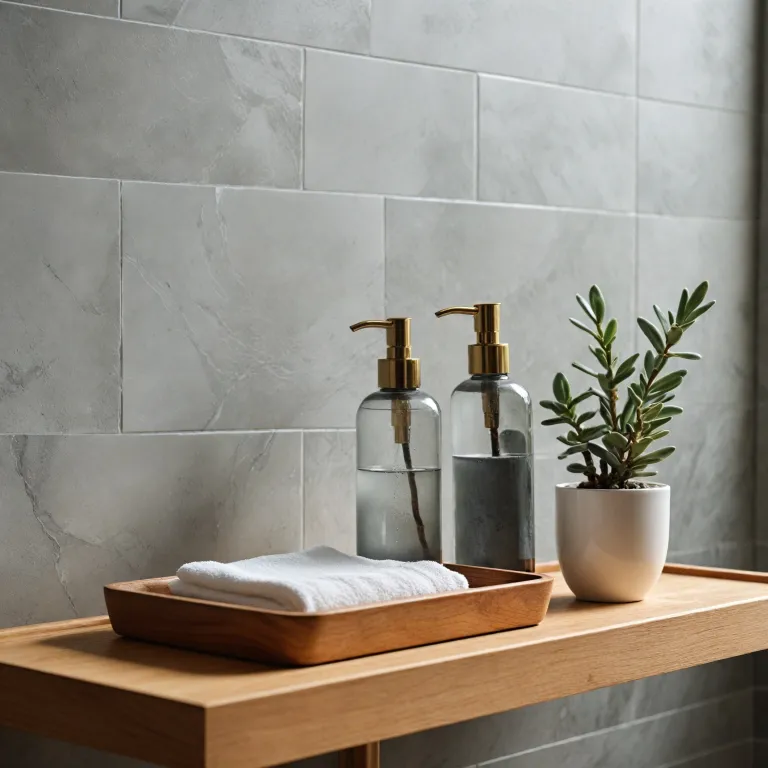
Grey bottle shampoo as a high value touchpoint in hospitality experiences
Grey bottle shampoo has moved from niche retail shelf to strategic amenity. For agencies and tour operators curating premium itineraries, this subtle product choice now signals thoughtful hair care for guests with gray hair. In a market where half of travelers over mid life show some gray, ignoring this need weakens perceived personalization.
Hospitality suppliers increasingly evaluate every hair shampoo placed in rooms as a micro branding decision. A well chosen purple shampoo in an elegant grey bottle can neutralize yellow tones while reinforcing a modern, inclusive image. When the product is sulfate free and enriched with natural oils, it also aligns with sustainability narratives that agencies and OTAs highlight in marketing content.
Manufacturers such as Silvina LONDON, Via Tonic, and La Biosthetique now produce specialized shampoos for gray hair that enhance silver color and protect the scalp. These shampoos use violet pigments and sometimes flower extract or seed oil to reduce product buildup and keep hair soft. For travel managers negotiating amenities, understanding key ingredients like natural oil extract, gentle conditioner bases, and anti buildup agents helps justify a higher price per bottle.
Guests increasingly read labels, comparing each shampoo conditioner combination with their regular shampoo at home. When they see a soft shampoo formulated for gray hair and scalp hair balance, they perceive higher value. Agencies loisirs and business travel planners can leverage this detail in product descriptions, positioning grey bottle shampoo as part of a curated, age inclusive care experience.
Aligning grey bottle shampoo choices with distribution and channel strategy
For OTAs and travel managers, the choice of grey bottle shampoo is no longer a purely operational decision. It intersects with distribution narratives, especially when promoting hotels through an Expedia channel manager strategy. A hotel that highlights premium hair care for gray hair can differentiate its listing in crowded urban markets.
Tour operators designing long haul itineraries must consider that frequent flying and hard water can stress hair and scalp. Offering a sulfate free purple shampoo and matching conditioner in partner hotels helps maintain natural color and soft texture. When these shampoos contain natural oils and seed oil, they support hydration and reduce product buildup during multi stop journeys.
From a procurement perspective, hospitality suppliers compare shampoos not only on unit price but also on rated guest satisfaction. A grey bottle shampoo that keeps silver tones bright and controls yellow tones can generate better reviews from mature travelers. When bundled as a shampoo conditioner set, it simplifies logistics while elevating perceived product quality.
Agencies loisirs and business travel specialists can negotiate free shipping thresholds with manufacturers for bulk orders of hair shampoo. This is particularly relevant when stocking multiple properties with the same shampoo gray formula to ensure brand consistency. Integrating these amenity details into OTA content and B2B proposals strengthens the story around thoughtful hair care and overall guest wellbeing.
Designing amenity standards for agencies, tour operators, and travel managers
Creating amenity standards that include grey bottle shampoo requires collaboration across agencies, tour operators, and hotel suppliers. First, stakeholders should define the role of hair care in the brand promise for gray hair travelers. Then they can specify whether purple shampoos, regular shampoo, or mixed options will be offered in different room categories.
Many hospitality brands now favor sulfate free formulas with natural oils and flower extract to appeal to wellness focused guests. These shampoos use violet pigments to enhance silver color while protecting the scalp hair balance. When paired with a compatible conditioner, they reduce product buildup and keep hair soft even after repeated washing.
Standard documents should detail key ingredients, recommended usage frequency, and compatibility with colored hair. Including a purple shampoo option that is safe for both natural gray and hair color treatments avoids confusion. Clear labeling on each hair shampoo bottle helps guests understand how the product manages yellow tones and maintains a natural look.
Travel managers can also define minimum rated performance for each product, using guest feedback to refine selections. A soft shampoo that consistently receives positive comments about scalp comfort and shine becomes the benchmark. By aligning amenity standards with agency promises, tour operators and OTAs transform grey bottle shampoo from a generic product into a signature care element.
Leveraging grey bottle shampoo in marketing, reviews, and guest loyalty
Marketing teams for agencies loisirs, OTAs, and hotel suppliers increasingly highlight bathroom amenities in visual storytelling. A sleek grey bottle shampoo placed beside a matching conditioner photographs beautifully and signals premium hair care. When the label mentions purple shampoo benefits for gray hair, it also communicates inclusivity for older travelers.
Guest reviews frequently mention small details such as the softness of towels or the scent of shampoos. A well formulated sulfate free hair shampoo with natural oils and seed oil can generate memorable comments. Over time, these reviews support higher rated scores on OTA platforms and strengthen loyalty among repeat guests.
Content teams can ethically emphasize that specialized shampoos help neutralize yellow tones and enhance silver color. They should also mention that “How often should I use grey hair shampoo? Follow the product's instructions; typically 2-3 times per week. Can grey hair shampoos be used on colored hair? Some are safe; check the product label for compatibility. Do these shampoos contain sulfates? Many are sulfate-free; verify on the packaging.” This transparent information builds trust and aligns with Google’s Helpful Content expectations.
Agencies and tour operators can integrate amenity details into brochures and digital itineraries, especially for wellness themed trips. Linking to resources on digital marketing for travel and tourism performance helps internal teams position these products strategically. When guests feel that their scalp hair needs and hair color concerns are anticipated, they are more likely to book again.
Operational and procurement considerations for hospitality suppliers
Behind every elegant grey bottle shampoo in a hotel bathroom lies a complex supply decision. Hospitality suppliers must balance product quality, price, logistics, and sustainability expectations from agencies and OTAs. Choosing shampoos for gray hair that deliver consistent color results while remaining cost effective is a delicate exercise.
Procurement teams evaluate whether to source from manufacturers like Silvina LONDON, Via Tonic, or La Biosthetique. They compare purple shampoos, regular shampoo options, and combined shampoo conditioner sets for different property tiers. Factors such as free shipping thresholds, packaging recyclability, and protection against product buildup all influence final selection.
Technical sheets should specify key ingredients, including natural oils, seed oil, and any flower extract used. These details help agencies communicate clearly with guests who are sensitive about scalp care and hair color maintenance. A soft shampoo that is sulfate free and designed for gray hair reduces complaints about dryness or irritation.
Operationally, staff training is essential so housekeeping teams replace hair shampoo and conditioner consistently. Clear guidelines on how many shampoos per stay and which rooms receive purple shampoo versus standard shampoos avoid confusion. When operations run smoothly, the grey bottle shampoo becomes a quiet but powerful contributor to perceived service quality.
Future trends in grey bottle shampoo for travel and hospitality
Demographic shifts indicate that the proportion of travelers with gray hair will continue to rise. With around 50 % of people showing some gray by mid life, agencies and OTAs must adapt amenity strategies. Grey bottle shampoo will increasingly be viewed as a baseline expectation rather than a luxury extra.
Innovation is focusing on natural pigments and gentle formulas that respect both scalp and environment. Manufacturers are refining purple shampoo and shampoo gray lines with more sophisticated violet pigments to target yellow tones precisely. At the same time, they are increasing the use of natural oils, seed oil, and botanical extract to support hydration.
For hospitality brands, the next step is integrating hair care data into broader guest preference profiles. When a traveler consistently books rooms that feature sulfate free shampoos for gray hair, agencies can tailor offers accordingly. This might include promoting properties that stock soft shampoo and matching conditioner designed for silver color maintenance.
As wellness and sustainability converge, rated product transparency will become a competitive advantage. Hotels that publish clear information about key ingredients, product buildup control, and cruelty free standards will stand out. For agencies loisirs, tour operators, travel managers, OTAs, and suppliers, mastering grey bottle shampoo strategy is now part of delivering refined, human centric hospitality.
Key statistics on grey hair and care expectations
- Approximately 50 % of people have some degree of grey hair by mid life, shaping amenity expectations in hotels and serviced apartments.
- Demand for specialized grey hair care products is rising in parallel with aging yet active traveler segments.
- Natural ingredient formulations, including natural oils and botanical extract, are gaining share in hospitality amenity programs.
- Shampoos designed for gray hair typically aim to neutralize yellow tones, enhance silver color, and provide hydration.
Frequently asked questions about grey bottle shampoo in hospitality
How often should hotels encourage guests to use grey bottle shampoo ?
Hotels should align with manufacturer guidance and indicate that guests can generally use grey bottle shampoo two to three times per week. This frequency helps purple shampoo manage yellow tones without over depositing violet pigments. Clear usage notes on the bottle support both scalp comfort and consistent silver color.
Can grey bottle shampoo be safely offered to guests with colored hair ?
Many shampoos for gray hair are compatible with colored hair, but labels must be checked carefully. Agencies and suppliers should prioritize products that explicitly mention suitability for hair color treatments. This avoids guest dissatisfaction and ensures that both natural gray and colored hair receive appropriate care.
Do grey bottle shampoos used in hotels usually contain sulfates ?
There is a strong shift toward sulfate free formulas in hospitality amenities, especially in higher segments. Suppliers increasingly select soft shampoo options that rely on milder surfactants and natural oils. This approach supports scalp health, reduces dryness, and aligns with eco conscious brand positioning.
Why is purple shampoo particularly relevant for mature travelers ?
Purple shampoos use violet pigments to counteract yellow tones that often appear in gray hair. For mature travelers exposed to sun, pool water, and frequent washing, this helps maintain a clean silver color. Including such shampoos in hotel bathrooms signals respect for their specific hair care needs.
How can agencies and OTAs communicate amenity quality without overselling the product ?
Agencies and OTAs should describe grey bottle shampoo factually, emphasizing key ingredients, sulfate free status, and benefits for gray hair. They can mention hydration, scalp comfort, and color maintenance without making unrealistic performance claims. This balanced approach supports credibility, encourages positive reviews, and respects informed guest choice.