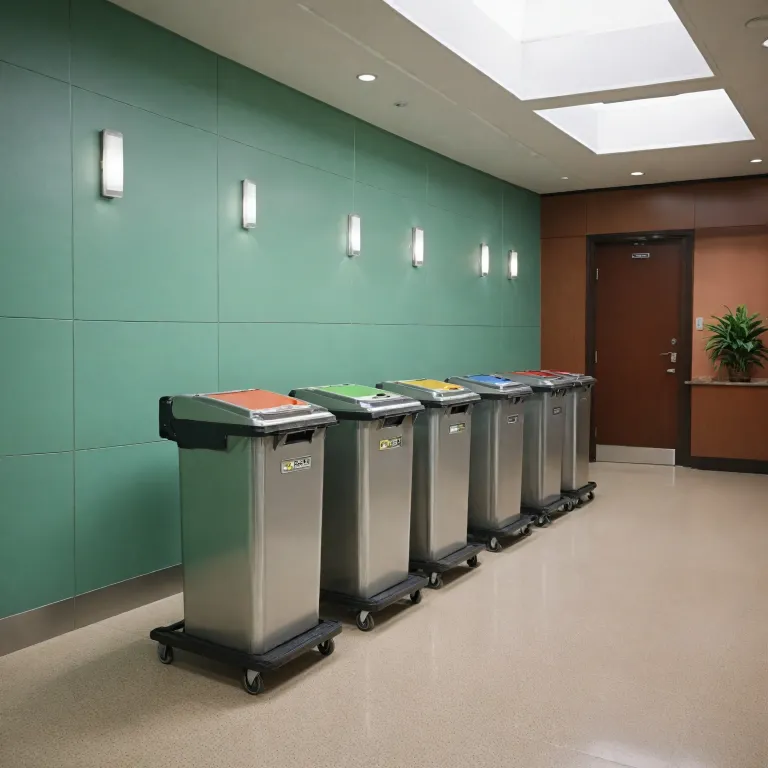
Rethinking the 21 gal trash can for professional hospitality operations
For agencies and hotel suppliers, the humble 21 gal trash can is shifting from a back-of-house commodity to a front-line operational tool. In multi-brand portfolios where stars and guest reviews drive negotiations, the way trash and recycling are handled now directly influences perceived cleanliness and service quality. A carefully specified 21 gallon model can therefore support both guest satisfaction and staff efficiency in high-traffic environments.
Manufacturers such as Uline, simplehuman, iTouchless, and Rubbermaid have refined this product category with large capacity formats tailored to lobbies, breakfast areas, and meeting spaces. Typical dimensions around 19 inches in diameter and 30 inches in height allow these trash cans to fit under counters or against walls without obstructing circulation. For travel managers and OTA partners auditing properties, consistent waste infrastructure across a network signals professional standards and predictable operating procedures.
Material choices are central to long term ROI, especially when agencies negotiate bundled equipment for multiple hotels. Stainless steel and gray plastic models each answer different needs, from premium public areas to heavy duty back-of-house corridors. When a 21 gal trash can is correctly matched to its environment, it reduces visible garbage, supports recycling, and limits staff time spent on frequent bag changes.
From back office to brand touchpoint : design, materials, and guest perception
In modern hospitality design, a 21 gal trash can in a lobby or buffet zone is no longer hidden behind furniture. Travel managers evaluating meeting venues now look at how trash, recycling bins, and kitchen trash solutions integrate with the décor and guest flow. A matte black stainless steel body with a discreet trash lid can align with upscale interiors while still offering robust performance.
Open top formats are particularly valued in breakfast areas and conference foyers where hands free use speeds traffic and reduces contact points. Simplehuman and iTouchless both offer stainless steel and plastic trash options with round or half round silhouettes that sit flush against walls or service counters. For agencies managing corporate events, these shapes help maintain clear evacuation routes while still providing sufficient large capacity for peak coffee break waste.
In mobility intensive programs, such as chauffeured services or airport lounges, the same logic applies to vehicle waiting zones and check in corridors. When agencies coordinate premium ground services, aligning car service standards with on site amenities, as outlined in this corporate and leisure travel service integration guide, the visual quality of every garbage bin becomes part of the brand promise. A well chosen 21 gallon unit in stainless steel or high grade gray plastic quietly reinforces that promise.
Operational efficiency : how a 21 gal trash can supports staff workflows
For tour opérateurs and travel managers, the real test of a 21 gal trash can is how it performs during peak occupancy and group rotations. In breakfast rooms serving multiple coach groups, large capacity cans plastic models reduce the number of trips staff must make to external garbage cans. This directly impacts labor allocation, especially when teams must also manage kitchen trash, buffet replenishment, and guest requests.
Rubbermaid and Uline half round designs are frequently selected for corridors and meeting pre function spaces because they hug walls and minimize obstruction. Their heavy duty plastic trash construction withstands luggage impacts and trolley collisions while keeping trash gallon liners secure under the lid. In kitchens and stewarding zones, gray plastic bins and matte black steel units are often combined to separate waste and recycling, simplifying back-of-house logistics.
Some properties now adopt motion sensor and touchless automatic models from iTouchless for buffet and restroom areas. These sensor trash cans use a built in sensor to open the trash lid, offering hands free operation that aligns with hygiene expectations in higher category stars properties. When paired with premium amenity programs, such as those highlighted in this analysis of how upgraded amenities elevate travel programs, the waste infrastructure quietly supports the overall perception of care and cleanliness.
Technology, hygiene, and sustainability : aligning cans with ESG commitments
ESG commitments are now central in RFPs negotiated between agencies, OTAs, and hotel groups, and the 21 gal trash can plays a surprisingly precise role. Stainless steel and stainless steel round models are easier to sanitize, resist corrosion, and maintain a premium appearance over long duty cycles. When combined with motion sensor or sensor trash technology, they support hands free use that reduces touchpoints in high traffic washrooms and food service zones.
Recycling bins matched in design and height to the main garbage bin help guests separate waste without confusion. Properties often pair a matte black trash can for general waste with a gray plastic or color coded unit for recycling, both in 21 gallon formats to simplify liner procurement. This visual consistency supports staff training and encourages guests to participate in recycling without additional signage clutter.
Manufacturers such as iTouchless add odor control and dual filter systems that are particularly relevant in compact kitchen or grab and go areas. By keeping trash and food waste under control, these products reduce complaints that can affect online stars ratings and OTA comments. For agencies curating sustainable hotel portfolios, specifying touchless automatic and recycling ready trash cans becomes a concrete, auditable element of environmental and hygiene strategy.
Procurement strategy : bridging the gap between agencies and hotel suppliers
One of the recurring challenges for agences loisirs & business and tour opérateurs is the absence of a specific procurement category for items like the 21 gal trash can. Waste infrastructure often falls between housekeeping, engineering, and F&B budgets, making it difficult to standardize across multi property contracts. Yet, aligning on a core set of trash cans, recycling bins, and garbage cans can generate economies of scale and operational consistency.
Travel managers and OTAs can work with fournisseurs hôteliers to define a reference portfolio that includes stainless steel, gray plastic, and matte black options in both round and half round shapes. Within this portfolio, open top models can be reserved for conference foyers, while sensor trash and touchless automatic units are allocated to premium washrooms and executive lounges. Clear price brackets for each product family allow agencies to negotiate transparent offers tied to occupancy and renovation cycles.
By integrating waste equipment into broader destination management strategies, agencies can also support local recycling and circular economy initiatives. This is particularly relevant when coordinating multi property programs with complex staffing models, as discussed in this overview of destination management company opportunities. A standardized 21 gallon kitchen trash and garbage bin specification becomes a small but measurable lever for both sustainability reporting and guest experience.
Designing guest facing zones : matching form, function, and brand standards
In guest facing areas, the 21 gal trash can must balance capacity, aesthetics, and intuitive use. A round stainless steel model with an open top is ideal for lobby coffee corners where guests carry cups and small waste items. In contrast, a half round matte black unit with a defined trash lid suits narrow corridors leading to meeting rooms or spa zones.
For family resorts and high volume city hotels, plastic trash cans plastic models in gray plastic can be positioned near elevators and kids’ areas to capture snack related garbage. These heavy duty bins resist impacts and are easy to clean, while complementary recycling bins encourage separation of bottles and paper. When agencies audit properties, they increasingly note whether kitchen trash and public area garbage cans are aligned with brand guidelines and safety regulations.
Pricing strategies should reflect both initial acquisition cost and lifecycle value, especially when comparing stainless steel to plastic alternatives. A higher price stainless steel sensor trash unit with motion sensor technology may reduce liner usage and cleaning time, offsetting its upfront cost. For agencies and fournisseurs hôteliers, documenting these trade offs in procurement guidelines ensures that every 21 gallon product choice supports long term operational and environmental objectives.
Key specifications and expert insights for 21 gal trash can selection
When specifying a 21 gal trash can across a hotel or serviced apartment portfolio, understanding technical details is essential. Typical 21 gallon models measure around 19 inches in diameter and 30 inches in height, offering a balance between large capacity and manageable footprint. For narrow back-of-house corridors, half round or slim round designs keep trash and recycling discreet while preserving circulation space.
Material selection should be guided by traffic intensity, cleaning protocols, and brand positioning. Stainless steel and stainless steel matte black finishes suit upscale lobbies, while gray plastic heavy duty cans plastic models are better for loading bays and staff entrances. In food service zones, pairing kitchen trash units with matching recycling bins and a clearly marked garbage bin helps teams comply with local waste regulations.
Some models, such as those from iTouchless, include dual AbsorbX odor filters to neutralize unpleasant smells. Dimensions vary by model, but common sizes include 19 inches in diameter by 30 inches in height for round cans, and 14 x 19 x 30 inches for half-round designs. Weight capacities vary ; for example, Rubbermaid's half-round trash can has a capacity of 80 pounds. These verified specifications give agencies, OTAs, and fournisseurs hôteliers a reliable baseline when comparing price, offers, and performance across multiple properties and brands.
Key quantitative insights on 21 gal trash cans
- Average capacity for standard models is 21 gallons, suitable for high traffic hospitality zones.
- Typical round units measure approximately 19 inches in diameter by 30 inches in height.
- Average product weight is around 20 pounds, balancing stability and portability.
- Selected half round designs can support waste loads up to 80 pounds.
Frequently asked questions about 21 gal trash cans in hospitality
What are the most suitable areas in a hotel for a 21 gal trash can ?
These cans are ideal for lobbies, breakfast rooms, meeting foyers, and staff corridors where waste volumes are high but floor space is limited. Their capacity reduces the frequency of bag changes during peak service. Half round and slim designs are particularly effective along walls and near elevators.
How should agencies choose between stainless steel and plastic models ?
Stainless steel suits guest facing areas that demand a premium look and easy sanitization. Plastic models in gray plastic or matte finishes are better for back-of-house and outdoor zones exposed to impacts. A mixed portfolio usually offers the best balance between aesthetics, durability, and price.
Are motion sensor and touchless automatic cans worth the investment ?
In high hygiene areas such as restrooms, buffets, and executive lounges, sensor trash cans reduce touchpoints and support brand promises around cleanliness. They can also lower cleaning time by preventing spills from missed openings. For budget sensitive zones, open top or pedal models may remain sufficient.
How can 21 gal trash cans support hotel sustainability goals ?
When paired with clearly labeled recycling bins of the same size, these cans make waste sorting intuitive for guests and staff. Standardizing liner sizes and bin formats across a property simplifies recycling logistics. Durable materials also reduce replacement frequency, lowering long term environmental impact.
What role do these cans play in agency and OTA quality audits ?
Auditors increasingly assess cleanliness, waste segregation, and equipment condition as part of overall quality scoring. Consistent, well maintained 21 gallon trash cans signal strong operational discipline. This can positively influence stars ratings, guest reviews, and the attractiveness of a property in corporate and leisure programs.