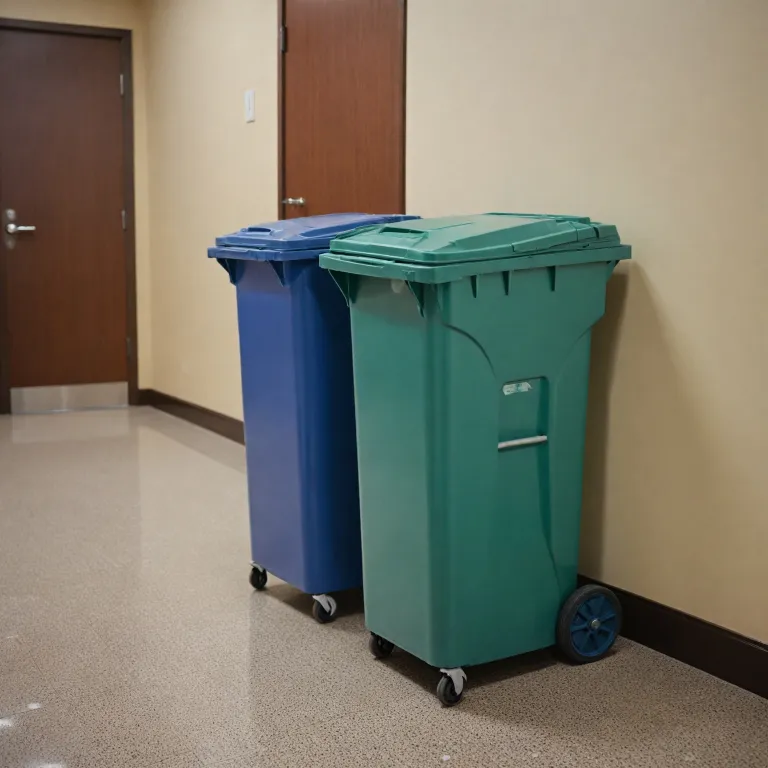
Rethinking the 18 gallon trash bin for professional travel and hospitality flows
For agencies, tour operators, travel managers, OTAs and hotel suppliers, the humble 18 gallon trash bin has become a quiet but strategic asset. Its 68 liter capacity aligns neatly with typical guest room, back office and small kitchen waste patterns, limiting excess trash without encouraging overfilled cans. In multi property networks, standardizing this product size simplifies purchasing, training and waste audits.
In hospitality operations, trash is not just a nuisance ; it is a visible indicator of brand standards and operational discipline. An 18 gallon trash receptacle in stainless steel or robust plastic can be positioned in corridors, lobbies and staff areas without appearing industrial or intrusive. When agencies negotiate packages with hotel partners, the presence of coordinated bins and containers increasingly influences sustainability storytelling and guest reviews.
Manufacturers such as HomePacific and HLS Commercial now treat the 18 gallon format as a core professional range rather than a domestic accessory. Their steel and stainless steel models, often in black or brushed finishes, integrate motion sensors, odor filters and open top or step mechanisms that suit high traffic environments. For travel buyers, this means the same capacity can serve as kitchen trash, public area waste or mixed recycling bins, depending on liners, signage and placement.
From a cost perspective, the price of an 18 gallon unit is low compared with its impact on labor efficiency and guest satisfaction. Standard liners, predictable fill rates and reduced bag changes translate into measurable savings across dozens of properties. For agencies and OTAs promoting eco responsible stays, the ability to highlight structured recycling and waste segregation around these bins strengthens both marketing narratives and corporate ESG reporting.
Aligning 18 gallon trash bins with procurement, brands and multi property standards
Strategic procurement teams in hospitality increasingly treat the 18 gallon trash bin as part of a broader furniture and equipment ecosystem. When they negotiate with suppliers of steel trash and plastic construction models, they look beyond unit price to lifecycle cost, maintenance and alignment with brand standards. This is where stainless steel and heavy duty plastic containers can support both upscale and midscale positioning.
For agencies loisirs and business travel managers, consistent trash cans across a portfolio simplify RFP evaluations and on site quality checks. A dual compartment 18 gallon trash receptacle, for example, can host both waste and recycling, reducing the number of visible bins while supporting environmental commitments. When combined with coordinated trash liners and clear labeling, these containers help guests intuitively separate trash from recyclables without additional staff intervention.
Manufacturers like HLS Commercial offer dual side entry stainless steel trash cans with odor filters and wheels, which are particularly relevant for buffets and meeting spaces. Their open top and dome top variants allow quick disposal during peak service, while step mechanisms remain ideal for kitchen trash where hygiene is critical. Procurement teams can benchmark msrp add values against negotiated contracts, then use choose options tools on supplier platforms to configure finishes, lids and capacities.
For decision makers exploring strategic furniture procurement for hospitality, integrating 18 gallon bins into broader FF&E planning is essential. Resources on strategic furniture procurement for hospitality travel players show how coordinated specifications improve ROI and brand coherence. Once a standard product family is selected, OTAs can reference these trash bins in sustainability filters, while agencies can add cart predefined configurations into their internal catalogs for rapid deployment across new or renovated properties.
Designing guest centric waste and recycling journeys with 18 gallon containers
For tour operators and travel managers, guest perception of cleanliness often starts with how visible waste is handled. An 18 gallon trash bin in black stainless steel or discreet plastic can be integrated into lobby corners, elevator landings and meeting foyers without disrupting design lines. When paired with matching recycling bins, these containers guide guests toward responsible behavior while keeping trash out of sight.
In resort or retreat venues, the same capacity supports outdoor lounges, pool decks and event lawns, where high traffic patterns demand heavy duty solutions. Curbside style 18 gallon recycling bins from T.M. Fitzgerald & Associates, made with recycled content, can be deployed near shuttle stops or activity hubs. For planners organizing corporate retreats with extensive outdoor programs, aligning waste stations with water features and amenities, as highlighted in content about elevating corporate retreats with outdoor amenities, ensures that trash cans support rather than undermine the setting.
Within guest rooms, an 18 gallon unit may seem large, yet in suites or extended stay formats it matches the volume of packaging and food waste generated. Operators can specify compact open top models for dry waste and smaller containers for bathroom trash, maintaining a coherent family of bins. In apartments or staff housing linked to agency operations, standardized 18 gallon containers simplify recycling education and trash collection schedules.
Digital platforms now allow OTAs and agencies to surface property level details such as recycling availability and waste reduction programs. When hotels deploy clearly branded 18 gallon trash cans and recycling bins, they can encourage guests to write review comments about cleanliness and sustainability. Over time, positive reviews write signals around waste management can influence ranking algorithms, reinforcing the business case for investing in well designed trash receptacle solutions rather than ad hoc cans.
Operational efficiency, staff workflows and smart 18 gallon trash receptacles
Behind the scenes, the 18 gallon trash bin plays a critical role in staff workflows for housekeeping, F&B and banqueting teams. Its capacity is large enough to reduce frequent trips to back of house waste rooms, yet small enough to remain manageable when full. This balance is particularly important in properties where staff must navigate long corridors or multiple floors with containers and carts.
Manufacturers such as HomePacific integrate motion sensors and odor control into dual stainless steel 18 gallon trash cans, which can be deployed in buffet areas, staff cafeterias and public restrooms. These smart features reduce touch points, supporting hygiene protocols while limiting odors that might otherwise trigger guest complaints. In high traffic zones, open top or dome top designs still dominate, but motion sensor lids are gaining ground where energy and maintenance budgets allow.
For agencies and OTAs, the operational reliability of these products indirectly affects service quality delivered to travelers. Overflowing trash cans or damaged plastic construction bins quickly become visible in guest photos and online reviews. By specifying heavy duty steel trash or stainless steel models with reinforced hinges and bases, hotel partners can extend replacement cycles and stabilize the total cost of ownership.
When evaluating suppliers, travel buyers should look at dimensions, materials and compatibility with existing trash liners and carts. One verified specification often cited is that “Dimensions vary by model; for example, one model measures 26.42'' H x 21.34'' W x 12.99'' D.” Such data helps align 18 gallon containers with under counter spaces, kitchen layouts and corridor widths, ensuring that bins do not obstruct evacuation routes or service flows while still capturing the necessary volume of waste and recycling.
Integrating 18 gallon trash bins into sustainability and guest experience strategies
For modern hospitality brands, the 18 gallon trash bin is increasingly framed as a sustainability tool rather than a mere accessory. By pairing trash cans with clearly differentiated recycling bins and containers, properties can promote recycling without overwhelming guests with complex instructions. Some models use color coding, iconography and top stainless accents to signal the difference between waste and recyclable materials.
Manufacturers confirm that “Common materials include stainless steel and high-density polyethylene (HDPE).” This combination allows operators to balance aesthetics, durability and environmental impact, especially when plastic components include recycled content. Agencies and tour operators can highlight these material choices in sustainability briefs, reinforcing the narrative that even back of house product decisions support broader environmental goals.
For OTAs, structured data about waste and recycling programs can be surfaced alongside amenities such as fitness centers or ice dispensers. Articles on assets like the hotel ice dispenser as a strategic asset illustrate how seemingly minor equipment shapes guest perception. In the same way, well maintained 18 gallon trash receptacle installations, with clean liners and coordinated black or metallic finishes, contribute quietly to a sense of order and care.
Travel managers designing corporate travel policies can encourage partner hotels to report on waste diversion rates and recycling infrastructure. When properties use standardized 18 gallon containers for both trash and recycling, data collection becomes easier, enabling more accurate ESG reporting. Over time, this alignment between on the ground bins and high level sustainability KPIs strengthens trust between agencies, OTAs, corporate clients and hotel suppliers, while also reducing the environmental footprint of business and leisure travel programs.
From curbside recycling to guest rooms: future ready 18 gallon waste solutions
The evolution of the 18 gallon trash bin reflects broader shifts in waste management across hospitality and travel ecosystems. Curbside style recycling bins from T.M. Fitzgerald & Associates, built with recycled materials, show how outdoor containers can align with indoor stainless steel or plastic models for a coherent sustainability story. As cities tighten regulations on sorting and recycling, hotels and partners must ensure that guest facing bins match back of house containers and municipal requirements.
Industry guidance notes that “Yes, some models are designed for outdoor use, such as curbside recycling bins made with durable materials.” This is particularly relevant for resorts, camp based tour operations and transport hubs where guests move between indoor and outdoor spaces. By standardizing on 18 gallon capacities, operators can streamline liner procurement, staff training and waste collection routes across diverse environments.
Digital commerce has also changed how agencies and hotel buyers source these products, with many platforms allowing users to add cart configurations, compare price bands and read reviews write feedback from other professionals. When buyers write review comments about durability, ease of cleaning and lid mechanisms, they help peers avoid models that dent easily or trap odors. Over time, aggregated reviews on trash bins, recycling bins and related containers guide the market toward more reliable and sustainable designs.
Looking ahead, integration of sensors, fill level monitoring and even API based reporting into 18 gallon trash receptacle fleets will support smarter waste collection. While not yet universal, these tools can alert staff before trash cans overflow, optimize collection routes and provide data for sustainability dashboards. For agencies loisirs, tour operators, travel managers, OTAs and hotel suppliers, engaging early with these innovations ensures that a simple 18 gallon bin continues to support both operational excellence and responsible travel commitments.
Key quantitative insights on 18 gallon trash bins
- Standard capacity for an 18 gallon trash bin is approximately 18 gallons, equivalent to about 68 liters, which aligns well with typical guest room and small kitchen waste volumes.
- One documented 18 gallon model measures roughly 67 cm in height, 54 cm in width and 33 cm in depth, fitting under many counters and in narrow service corridors.
- The 18 gallon capacity helps balance labor efficiency and ergonomics, limiting the weight of full trash liners while reducing the frequency of trips to central waste rooms.
- Use of stainless steel and high density polyethylene in 18 gallon bins supports durability in high traffic hospitality environments while enabling easier cleaning and odor control.
Frequently asked questions about 18 gallon trash bins in hospitality
What are the typical dimensions of an 18 gallon trash bin for hotel use ?
Dimensions vary by model and manufacturer, but many hospitality focused 18 gallon trash cans fall close to 26 to 27 cm in height, around 50 to 55 cm in width and roughly 30 to 35 cm in depth. One referenced model measures 26.42'' H x 21.34'' W x 12.99'' D, which translates to approximately 67 cm by 54 cm by 33 cm. These proportions allow bins to fit under counters, beside minibars or in service corridors without obstructing circulation.
Which materials are most suitable for 18 gallon trash bins in hotels and agencies ?
Stainless steel and high density polyethylene are the dominant materials for 18 gallon trash bins in professional hospitality environments. Stainless steel and steel trash models offer a premium look, strong resistance to impacts and easier odor control, making them ideal for lobbies, corridors and upscale kitchens. High density polyethylene and other plastic construction options provide lighter weight, lower price points and good weather resistance, which suits outdoor areas, staff zones and curbside recycling bins.
Are 18 gallon trash bins appropriate for outdoor hospitality spaces ?
Yes, many 18 gallon trash bins and recycling bins are specifically engineered for outdoor use in resorts, campgrounds, transport hubs and curbside collection points. Models using heavy duty plastic or coated steel resist UV exposure, moisture and temperature variations, while dome top or open top designs help shed rain and prevent litter from blowing away. When paired with secure liners and clear signage, these containers support clean, guest friendly outdoor environments around pools, terraces and shuttle stops.
How can agencies and OTAs evaluate 18 gallon trash bins when selecting hotel partners ?
Agencies and OTAs can include waste management criteria in their property assessments, checking whether hotels use standardized 18 gallon trash cans and recycling bins in guest rooms and public areas. They should look at material quality, presence of recycling options, cleanliness of trash receptacle installations and how well bins integrate with overall design. Feedback from traveler reviews about cleanliness, odors and visible trash can also signal whether a property’s bin strategy supports or undermines guest satisfaction.
What role do 18 gallon trash bins play in hotel sustainability programs ?
In hotel sustainability programs, 18 gallon trash bins act as the frontline interface between guests and waste reduction policies. By using paired trash and recycling containers of the same capacity, properties can simplify sorting, standardize trash liners and collect more accurate data on waste streams. This consistency supports ESG reporting for corporate clients, strengthens eco labels promoted by agencies and OTAs, and helps reduce the overall environmental footprint of leisure and business travel.