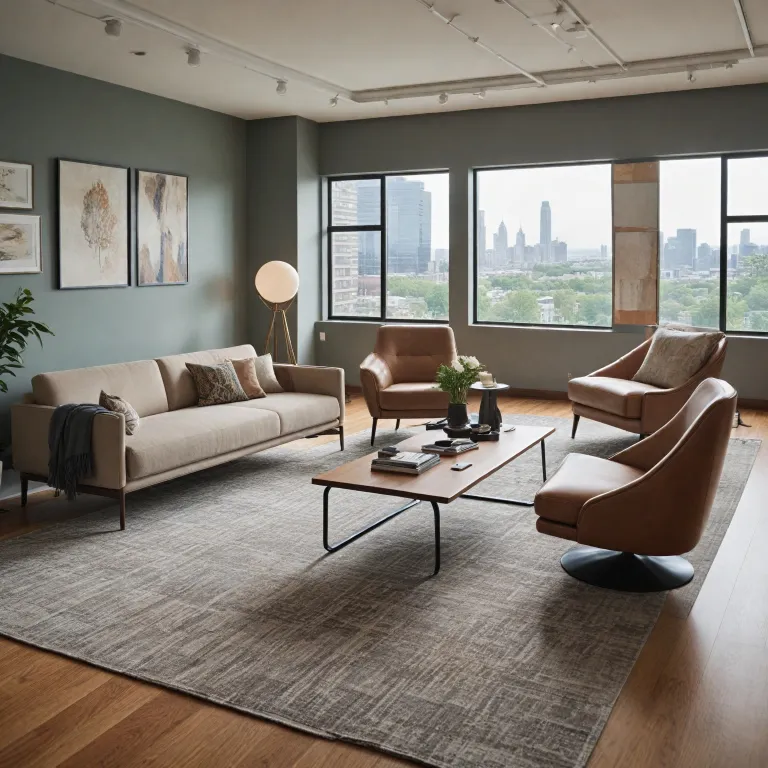
Aligning furniture procurement with hospitality travel ecosystems
For agencies, tour operators, travel managers, OTA platforms, and hotel suppliers, furniture procurement is no longer a back office task. It has become a strategic project lever that shapes guest experience, operational efficiency, and brand storytelling across every interior. In a global furniture market projected to generate $729.73 billion in revenue in 2025, aligning procurement with hospitality trade dynamics is now a competitive necessity.
Hospitality actors sit between furniture manufacturers, retailers, and consumers, translating travel expectations into concrete furnishings and fixtures. This means each procurement process must connect design intent, interior constraints, and travel program requirements with reliable vendors and measurable cost savings. When agencies and suppliers coordinate purchase orders and trade accounts, they can secure competitive pricing while still protecting the integrity of interior design concepts.
For multi property hotel partners, furniture procurement decisions affect both leisure and business segments, from lobby space to meeting rooms and long stay suites. Travel managers and OTA partners increasingly evaluate suppliers manufacturers on sustainable furniture credentials, materials finishes, and delivery installation reliability. As 65 % of consumers now prefer eco friendly options, sustainable furniture procurement becomes a shared responsibility across every vendor and client relationship.
Agencies that manage complex travel programs can use structured procurement interior strategies to harmonize furniture fixtures and fixtures equipment standards across portfolios. This requires clear access to trade pricing, transparent orders tracking, and coordinated delivery windows to avoid disruption of guest stays. When interior designers and hotel operators collaborate early, furniture sourcing aligns with brand guidelines, operational flows, and the specific needs of corporate and leisure travelers.
Design led procurement for agencies, tour operators, and hotel suppliers
Agences loisirs et business and tour operators increasingly influence how hotel interiors support curated travel experiences. When these partners participate in furniture procurement discussions, they help ensure that design and furnishings reflect evolving guest journeys from check in to check out. This collaboration is particularly valuable for incentive programs, where elevated interiors reinforce premium positioning and emotional impact for travelers.
For incentive and corporate travel, agencies often co create project briefs that link interior design with brand storytelling and meeting objectives. By integrating furniture procurement into these briefs, they can specify furnishings, furniture fixtures, and fixtures equipment that support hybrid meetings, wellness breaks, and informal networking. Partnering with specialized incentive travel agencies can further align procurement process decisions with performance and engagement goals, as highlighted in this analysis of the essential role of incentive travel agencies in hospitality.
Suppliers and vendors benefit when interior designers and interior design consultants share clear space planning data and guest profiles. This allows procurement interior teams to recommend sustainable furniture solutions that balance aesthetics, durability, and maintenance over time. For OTA partners and travel managers, such design led procurement supports consistent visual identity across contracted properties, strengthening trust with corporate client portfolios.
Trade accounts and trade discounts become strategic tools rather than simple pricing mechanisms when aligned with long term design standards. Agencies and hotel suppliers can negotiate competitive pricing on recurring purchase orders for core furnishings while reserving budget for signature pieces that differentiate key spaces. In this way, furniture procurement becomes a structured process that supports both brand distinctiveness and disciplined cost savings across the hospitality value chain.
Building a robust procurement process for multi stakeholder hospitality projects
For travel managers and OTA partners, fragmented furniture procurement can create inconsistent guest experiences across hotel networks. A robust procurement process instead treats each project as part of a wider interior ecosystem, with shared standards for materials finishes, sustainable furniture criteria, and delivery installation protocols. This approach helps agencies and suppliers manage risk, timelines, and budgets more effectively.
Centralized procurement interior frameworks allow agencies, tour operators, and hotel suppliers to coordinate vendors and suppliers manufacturers across regions. By standardizing purchase order templates, trade pricing structures, and quality benchmarks, they can streamline orders while preserving flexibility for local design nuances. Comparative tools similar to those used in a corporate travel agency comparison for hospitality professionals can be adapted to evaluate furniture sourcing partners.
Travel managers responsible for global programs often require transparent access to procurement data, including lead time, delivery reliability, and cost savings achieved through trade discounts. When agencies share this information with hotel partners, they reinforce trust and demonstrate procurement best practices that align with corporate governance. OTA partners can then highlight properties that meet specific sustainable furniture and interior design standards, adding value for environmentally conscious travelers.
To support this, procurement teams should map each step of the furniture procurement process, from initial design brief to final delivery installation and post occupancy review. Clear roles for designers, vendors, and client stakeholders reduce errors in purchase orders and minimize delays in delivery. Over time, this structured process builds a knowledge base of best practices that can be replicated across new hospitality projects and emerging destinations.
Leveraging trade pricing, cost savings, and competitive value for clients
Agencies, OTA platforms, and tour operators increasingly act as advisors on value, not only on room nights and flights but also on the quality of the built environment. By engaging with trade accounts and negotiating trade discounts, they can help hotel partners unlock competitive pricing on furniture, furnishings, and fixtures equipment. These cost savings can then be reinvested into higher impact design elements that elevate guest satisfaction.
For suppliers and vendors, transparent trade pricing structures encourage long term partnerships with agencies and travel managers who can aggregate demand across multiple properties. When purchase orders are consolidated and aligned with clear project timelines, manufacturers can optimize production and delivery, often passing additional savings back to the client. This reinforces the role of furniture procurement as a strategic lever within broader hospitality procurement process frameworks.
Competitive pricing should never undermine quality, especially in high traffic hospitality interiors where durability and safety are critical. Interior designers and interior design teams must therefore balance cost savings with robust materials finishes, sustainable furniture options, and compliance with local regulations. Agencies that communicate these trade offs clearly to client stakeholders strengthen their authority and demonstrate responsible procurement interior practices.
Travel managers can integrate furniture sourcing metrics into their supplier scorecards, assessing vendors on delivery reliability, responsiveness, and sustainable furniture credentials. Over time, this data driven approach supports best practices in vendor selection and encourages suppliers manufacturers to innovate in both design and sustainability. In a market where the Asia Pacific region already accounts for more than half of global furniture consumption, such disciplined procurement strategies help hospitality players remain competitive and resilient.
Sustainable furniture strategies for travel driven hospitality spaces
With 65 % of consumers expressing a preference for eco friendly furniture options, sustainability has become central to hospitality furniture procurement. Agencies, tour operators, and OTA partners are increasingly asked by corporate clients to evidence sustainable furniture choices in hotel selection and project specifications. This shifts procurement interior conversations from simple pricing to lifecycle impact, materials finishes, and circular design strategies.
Interior designers and interior design consultants play a crucial role in translating sustainability goals into tangible furnishings, furniture fixtures, and fixtures equipment. They can prioritize certified materials, modular furniture that extends product life, and suppliers manufacturers with transparent environmental reporting. When these criteria are embedded in purchase orders and trade accounts, vendors are incentivized to align their design and production processes with sustainable best practices.
For hotel suppliers and agencies managing renovation cycles, sustainable furniture procurement also reduces waste and operational disruption over time. Durable materials, repairable components, and flexible space planning allow interiors to adapt to evolving travel trends without full replacement of furnishings. This approach supports both cost savings and environmental responsibility, reinforcing the credibility of hospitality brands with eco conscious travelers.
Travel managers and OTA partners can highlight properties that demonstrate strong sustainable furniture strategies within their corporate and leisure travel programs. By integrating sustainability metrics into procurement process evaluations, they encourage vendors and suppliers to innovate in low impact materials finishes and efficient delivery installation methods. In a global furniture market expected to grow steadily over the coming years, such leadership from hospitality intermediaries can influence manufacturers and retailers far beyond individual projects.
Operational excellence, logistics, and cross border furniture sourcing
For global agencies and travel managers, operational excellence in furniture procurement is inseparable from logistics performance. Cross border furniture sourcing requires precise coordination of orders, customs, and delivery installation schedules to avoid disrupting hotel operations and guest stays. This is particularly critical for airport hotels, convention properties, and high occupancy urban assets serving both corporate and leisure segments.
Vendors and suppliers manufacturers must provide reliable lead time estimates, clear communication on delays, and flexible delivery options that respect hotel occupancy patterns. Agencies and OTA partners can support this by aligning project timelines with low season windows, minimizing the impact of furnishings upgrades on revenue. Strategic partnerships similar to those used in premium ground transportation, such as the model outlined for elevating corporate and leisure travel through integrated services, can inspire collaborative logistics frameworks in furniture procurement.
Interior designers and procurement interior teams should define clear access routes, staging areas, and installation sequences for each project. This ensures that furniture fixtures and fixtures equipment reach their final space efficiently, with minimal disturbance to guests and staff. Detailed purchase orders that specify packaging, handling requirements, and on site services help vendors plan delivery installation more accurately.
For agencies, tour operators, and OTA partners, demonstrating mastery of these logistics reinforces their authority as strategic advisors in hospitality development. By integrating furniture sourcing performance into supplier reviews and client reporting, they show how procurement process excellence supports both guest satisfaction and long term asset value. Over time, this integrated approach to furniture procurement, design, and logistics strengthens the entire travel and hospitality ecosystem.
Key statistics shaping strategic furniture procurement in hospitality
- Global furniture market revenue is projected to reach approximately 729.73 billion USD, underscoring the scale of opportunity for structured furniture procurement strategies.
- The global furniture market is expected to grow at a compound annual growth rate of about 2.78 %, which supports long term planning for procurement interior frameworks.
- The U.S. furniture market alone is projected to generate around 253.42 billion USD in revenue, making it a critical region for vendors, suppliers manufacturers, and hospitality buyers.
- The Asia Pacific region accounts for more than 50 % of global furniture consumption, influencing where agencies and hotel suppliers may focus furniture sourcing efforts.
- Approximately 65 % of consumers indicate a preference for eco friendly furniture options, reinforcing the importance of sustainable furniture in every procurement process.
Frequently asked questions about furniture procurement in hospitality
What is the projected revenue of the global furniture market in 2025 ?
The global furniture market is projected to generate $729.73 billion in revenue in 2025.
What is the expected growth rate of the global furniture market from 2025 to 2030 ?
The global furniture market is expected to grow at a CAGR of 2.78% from 2025 to 2030.
What is the projected revenue of the U.S. furniture market in 2025 ?
The U.S. furniture market is projected to reach $253.42 billion in revenue in 2025.
What percentage of consumers preferred eco-friendly furniture options in 2023 ?
In 2023, 65% of consumers preferred eco-friendly furniture options.
Which region accounted for over 50% of global furniture consumption in 2022 ?
The Asia-Pacific region accounted for over 50% of global furniture consumption in 2022.
Trustful expert sources
- Statista
- Grand View Research
- Industry Research Biz