
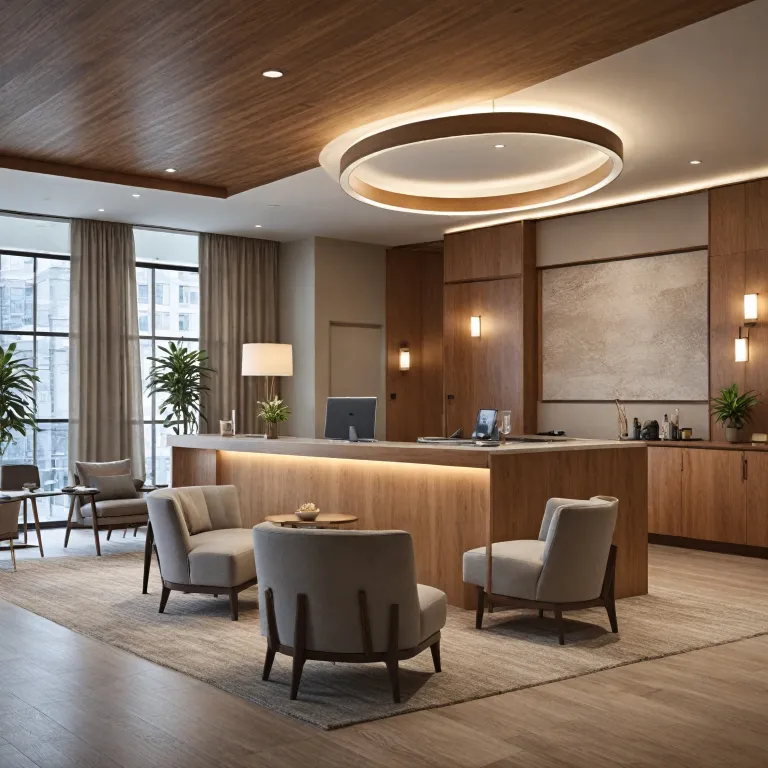
Why ff e procurement matters for travel and hospitality stakeholders
For agencies, tour operators, travel managers, OTA and hotel suppliers, ff e procurement is no longer a backstage technicality. It directly shapes guest experience, rate positioning and the reliability of every contracted hotel product. When furniture, fixtures and equipment fail to align with expectations, your brand promise is the first casualty.
FF&E procurement consultants now sit alongside interior designers and general contractors as strategic partners in every hotel project. They translate interior design intent into actionable specification, sourcing and purchasing decisions that protect budget and time while elevating quality. Their expertise ensures that each project requirement is met without compromising the commercial commitments you make to clients and distribution partners.
Understanding the full procurement process around FF&E items helps travel professionals assess risk before signing allotments or long term corporate deals. From the earliest design phase, the design team defines furniture fixtures and fixtures equipment that will support the operational concept and target segments. Procurement teams then structure a procurement ff&e strategy that sequences purchase orders, vendor selection and delivery installation to meet project milestones.
For building owners and asset managers, ff&e procurement is a lever to align capital expenditure with positioning on leisure and business markets. Agencies and OTA gain confidence when they see transparent FF&E data, clear lead time planning and robust vendor management. In this context, best practices in procurement ff&e become a shared language between hotel developers and the distribution ecosystem.
From design intent to operational reality in ff e procurement
The journey from mood board to operational hotel room is where ff e procurement proves its value. Interior design concepts must be translated into precise specification for FF&E items, balancing aesthetics, durability and maintenance constraints. This is where the collaboration between interior designers, FF&E procurement consultants and procurement teams becomes decisive.
“FF&E stands for Furniture, Fixtures, and Equipment, referring to movable items necessary for furnishing a space.” This definition anchors the scope of every project and clarifies which items fall under the ff&e procurement umbrella. In parallel, the extended notion of ff&e os&e ensures that operating supplies and equipment are considered early enough to avoid last minute compromises.
For travel and hospitality intermediaries, understanding this design to procurement process helps evaluate whether a hotel project will truly meet project positioning claims. When the design team specifies furniture fixtures and fixtures equipment, they must also anticipate cleaning cycles, replacement strategies and guest behavior patterns. Procurement specialists then select vendors and structure purchasing so that quality, warranty and service levels align with the promised category.
Incentive and corporate travel programs are particularly sensitive to these choices, as showcased by many incentive travel agency strategies in hospitality. High touch groups expect flawless interior design, ergonomic furniture and reliable equipment in meeting spaces. When ff&e procurement is handled with rigor, the handover phase delivers a hotel product that supports premium experiences without operational friction.
Structuring the procurement process for multi property hotel portfolios
Agencies loisirs & business and tour operators increasingly contract multi property portfolios, which amplifies the importance of a robust procurement process. When a hotel group standardizes ff&e procurement across several assets, it can guarantee more consistent guest experience to distribution partners. This consistency simplifies contracting for travel managers and OTA, who can rely on predictable room standards and amenities.
Centralized procurement teams coordinate specification, purchasing and vendor negotiations across properties to optimize budget and lead time. They leverage digital procurement platforms and project management software to track purchase orders, delivery installation milestones and quality checks in real time. Such tools also consolidate FF&E data, allowing building owners to benchmark performance and refine future project requirements.
For corporate travel buyers comparing chains, the maturity of procurement ff&e practices becomes a differentiating factor, as highlighted in many corporate travel agency comparison frameworks. A hotel that manages its vendors professionally and respects the procurement process is more likely to maintain room standards over time. This reliability reduces complaint handling for agencies and strengthens long term partnerships.
Tour operators and OTA can also use knowledge of ff&e procurement best practices to assess renovation risk in contracted hotels. When a project announces refurbishment, questions about design intent, vendor selection and installation planning become crucial. Understanding how procurement teams coordinate with general contractors and interior designers helps predict whether the handover will align with seasonality and group commitments.
Managing budget, time and quality in ff e procurement
Balancing budget, time and quality is the central challenge of ff e procurement for every hotel project. For travel intermediaries, delays or quality issues in furniture or equipment quickly translate into lost revenue and reputational damage. A room that cannot be sold because delivery installation was late affects allotments, group blocks and dynamic inventory.
Professional procurement teams structure the procurement process into clear phases, from sourcing to installation. “It ensures that interior spaces are properly equipped to meet design and functional requirements, contributing to the overall success of a project.” This principle guides decisions on vendor selection, contract negotiation and logistics planning, especially when coordinating international shipments and customs.
With up to 75 % of FF&E items in hotel projects being custom made, according to industry data, lead time management becomes critical. Procurement ff&e specialists work closely with the design team to freeze specification early enough to protect the project schedule. They also coordinate with local vendors when possible to reduce shipping times and mitigate risk for agencies and tour operators selling advance inventory.
For OTA and travel managers, visibility on renovation timelines and handover dates is essential to manage client expectations. Hotels that share transparent FF&E data, including key milestones in real time, build stronger trust with distribution partners. When budget constraints arise, best practices recommend value engineering that respects design intent rather than last minute cuts that undermine interior design coherence.
Digital workflows, FF&E data and collaboration with travel partners
The digitalization of ff e procurement is reshaping how hotel projects communicate with agencies, OTA and corporate buyers. Digital procurement platforms centralize specification, purchase orders, vendor contracts and delivery installation tracking in a single environment. This creates a reliable source of FF&E data that can be shared selectively with key partners.
For travel managers and tour operators, access to accurate information about room types, furniture fixtures and fixtures equipment supports better product descriptions. When procurement teams update progress in real time, agencies can adjust sales strategies around renovation phases or soft openings. This transparency reduces surprises at handover and strengthens confidence in the hotel’s operational readiness.
Digital workflows also facilitate alignment between building owners, the design team and FF&E procurement consultants. Project requirements, design intent and budget constraints are documented and traceable throughout the procurement process. This reduces the risk of specification drift that could affect interior design quality and ultimately guest satisfaction.
For leisure agencies seeking the ideal partner hotels, understanding these digital capabilities complements traditional criteria such as location and rate, as seen in many analyses of the ideal leisure travel agency and hotel partnerships. OTA can also integrate structured FF&E data into content management systems to highlight renovated rooms or upgraded equipment. Over time, this level of detail supports more accurate positioning of properties across segments and markets.
Best practices in ff e procurement for agencies and hotel suppliers
For agencies loisirs & business, tour operators, OTA and hotel suppliers, engaging with ff e procurement best practices is a strategic advantage. Understanding how procurement teams structure projects allows you to ask better questions and negotiate more robust contracts. It also helps align marketing promises with the actual interior design and equipment that guests will experience.
One best practice is early involvement of key distribution partners when defining project requirements and design intent. By sharing preliminary FF&E items lists and interior design concepts, hotel developers can validate whether the future product will meet project expectations from core markets. This dialogue can influence choices in furniture, equipment and room layout that matter for specific segments such as families, MICE or luxury leisure.
Another practice is to request visibility on the procurement process, including vendor selection criteria, quality control and installation planning. Agencies and travel managers benefit from understanding how procurement ff&e decisions protect budget and time without sacrificing quality. When issues arise, this shared framework enables constructive problem solving rather than reactive blame.
Finally, building owners and hotel brands that treat ff&e procurement as a continuous cycle rather than a one off project perform better over the asset life. Regular refresh programs, supported by updated FF&E data and strong vendor relationships, keep the product aligned with evolving traveler expectations. For travel and hospitality professionals, partnering with such properties means fewer surprises, stronger guest satisfaction and more resilient commercial performance.
Key statistics on FF&E procurement in hotel projects
- Approximately 75 % of FF&E items in hotel projects are custom made, which significantly increases the importance of accurate specification and lead time planning.
- Specialized procurement teams have successfully delivered more than 450 FF&E projects globally, illustrating the maturity of dedicated ff&e procurement expertise in hospitality.
Frequently asked questions about FF&E procurement
What does FF&E stand for in hotel projects ?
FF&E stands for Furniture, Fixtures and Equipment, and it covers all movable items that furnish a hotel space, from beds and desks to lighting and loose equipment. These elements are essential to both the interior design concept and the operational functionality of rooms and public areas. In ff e procurement, they are treated as a dedicated investment category with its own specification, purchasing and installation process.
Why is FF&E procurement so important for travel professionals ?
FF&E procurement determines the tangible quality of the hotel product that agencies, tour operators and OTA sell every day. When furniture, fixtures and equipment are well specified and installed on time, they support the promised category, guest comfort and safety standards. Poorly managed procurement can lead to inconsistent room standards, delayed openings and higher complaint rates for distribution partners.
What are the main phases of the FF&E procurement process ?
The FF&E procurement process typically follows several structured phases from project planning to installation. It starts with defining project requirements and interior design intent, then moves to supplier selection, purchasing and logistics coordination. The final phase covers delivery, installation, quality checks and formal handover to operations.
How do digital tools support FF&E procurement in hospitality ?
Digital procurement platforms and project management software centralize FF&E data, purchase orders and vendor communication in one environment. They provide real time visibility on lead times, delivery installation milestones and budget tracking for all stakeholders. For travel professionals, this digitalization translates into more reliable opening dates, clearer renovation schedules and better aligned product information.
How can agencies and OTA evaluate a hotel’s FF&E strategy ?
Agencies and OTA can ask targeted questions about recent or planned renovations, vendor management and FF&E refresh cycles. They can also request visual documentation of interior design, sample room specifications and indicative timelines for upcoming projects. Hotels that demonstrate structured ff e procurement practices and transparent FF&E data are generally more reliable partners over the long term.