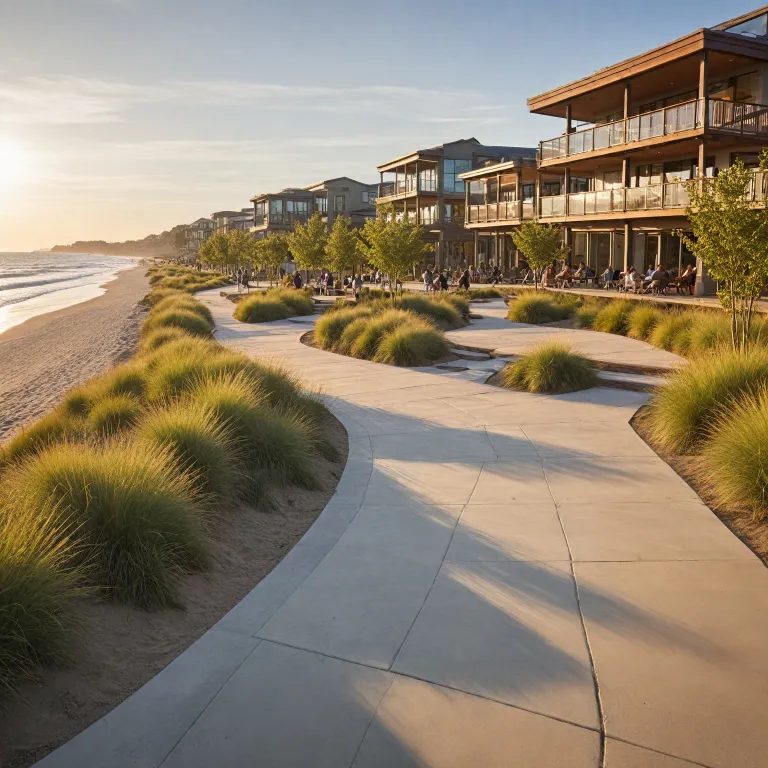
Transforming the waterfront: the landscape vision behind the beach at Expedia Group
The beach at Expedia Group stands as a testament to the power of landscape architecture in redefining urban spaces for hospitality professionals. Located on the Expedia Group campus in Seattle, Washington, this 2.6-acre park has become a landmark for agencies, tour operators, travel managers, OTAs, and hotel suppliers seeking inspiration in landscape design and public engagement. The design team, led by Surfacedesign, Inc., collaborated with ZGF Architects and other partners to convert an underused biotech site into a vibrant coastal landscape that connects downtown Seattle to the edge of Elliott Bay. The project’s architecture and planting strategies reflect a deep understanding of the Pacific Northwest’s regional landscape, integrating native species and reclaimed materials to foster sustainability and resilience.
Expedia Group’s commitment to sustainability is evident in every aspect of the beach expedia project. The site’s transformation involved adaptive reuse, with reclaimed stone and driftwood forming the backbone of terraced overlooks and dune habitats. These features not only enhance the park’s visual appeal but also create diverse habitats that support local wildlife and promote salmon safe practices along the Elliott Bay shoreline. The landscape forms are carefully curated to echo the natural contours of the bay, while the planting palette draws from the unique ecology of Puget Sound. For hospitality industry stakeholders, the beach at Expedia Group offers a model for integrating biophilic design and public access into corporate campuses, setting new standards for landscape architecture and urban park development.
Design excellence and recognition: awards and accolades for the beach at Expedia Group
The beach at Expedia Group has garnered significant recognition within the landscape architecture and design community. Its innovative approach to coastal landscape restoration and public engagement has earned awards from prestigious organizations, including the Chicago Athenaeum and Landezine. These accolades highlight the project’s excellence in landscape design, architecture, and sustainable site development, reinforcing its status as a benchmark for agencies, tour operators, and travel managers seeking to elevate guest experiences through thoughtful public spaces. The park’s architecture and landscape forms have been featured in numerous articles and industry publications, further cementing its reputation as a leader in regional landscape innovation.
Collaboration was central to the project’s success, with the design team working closely with architects, engineers, and environmental consultants to achieve a harmonious balance between built and natural environments. The use of custom soil blends and native plantings demonstrates a commitment to ecological restoration, while the integration of public amenities—such as the bay trail and bike pedestrian pathways—enhances accessibility for both employees and the broader Seattle community. For hospitality professionals, the beach at Expedia Group exemplifies how landscape spaces can be leveraged to create memorable guest experiences and foster community connections. For more insights on sustainable hospitality design, visit innovative landscape architecture in hospitality.
Public access and connectivity: integrating the Elliott Bay Trail and urban mobility
One of the defining features of the beach at Expedia Group is its seamless integration with the Elliott Bay Trail, a vital corridor for bike pedestrian traffic connecting north downtown Seattle to Smith Cove and beyond. This connectivity not only enhances the accessibility of the Expedia Group campus but also positions the park as a key node within the city’s broader network of public spaces. Hospitality industry stakeholders, including OTAs and travel managers, can draw valuable lessons from the project’s emphasis on multimodal access and urban mobility. The park’s design encourages visitors to explore the coastal landscape on foot or by bicycle, fostering a sense of discovery and engagement with the natural environment.
The site’s proximity to public transportation and downtown Seattle further amplifies its appeal, making it an attractive destination for both locals and tourists. The landscape architecture team prioritized the creation of inviting entry points and clear wayfinding, ensuring that the park is welcoming and easy to navigate for all users. By integrating the beach expedia project into the fabric of Seattle’s urban landscape, Expedia Group has demonstrated the potential for corporate campuses to serve as catalysts for community engagement and sustainable urban development. For a deeper exploration of public space integration, see urban connectivity in hospitality landscapes.
Sustainable practices and ecological restoration at the beach expedia site
Sustainability is at the heart of the beach at Expedia Group, with the project setting new benchmarks for ecological restoration and resource efficiency. The design team employed material reclamation and adaptive reuse strategies, incorporating reclaimed stone, driftwood, and custom soil blends to create a resilient and dynamic landscape. Native plantings were selected to promote local biodiversity and support the unique ecology of the Elliott Bay and Puget Sound region. These efforts contribute to the site’s salmon safe certification, ensuring that the park’s development aligns with best practices in environmental stewardship and water quality protection.
The project’s commitment to sustainability extends beyond the physical landscape, influencing the operational practices of Expedia Group and its partners. Hospitality professionals can look to the beach expedia project as a model for integrating green infrastructure and sustainable design into large-scale developments. The park’s success in balancing ecological goals with public access and employee well-being underscores the value of holistic, systems-based approaches to landscape architecture. For agencies, tour operators, and hotel suppliers, the lessons learned from the beach at Expedia Group can inform future projects that seek to harmonize hospitality, sustainability, and community engagement.
Employee well-being and guest experience: the impact of landscape spaces on hospitality
The beach at Expedia Group was designed with a clear focus on enhancing employee connectivity to nature and promoting well-being within the corporate campus environment. The park’s terraced overlooks, dune habitats, and panoramic views of Elliott Bay and the Olympic Mountains create a restorative setting that supports mental and physical health. For hospitality industry stakeholders, the project illustrates the profound impact that thoughtfully designed landscape spaces can have on employee satisfaction, productivity, and guest experience. The integration of biophilic design principles and public amenities fosters a sense of belonging and community, making the campus a destination for both work and leisure.
Expedia Group’s approach to landscape architecture demonstrates how hospitality providers can leverage outdoor environments to differentiate their offerings and attract top talent. The park’s accessibility via the bay trail and proximity to downtown Seattle further enhance its appeal, providing employees and visitors with convenient access to the city’s cultural and recreational amenities. The project’s success in creating a vibrant, inclusive, and sustainable public space serves as a blueprint for agencies, tour operators, travel managers, and hotel suppliers seeking to elevate their own landscape and guest experience strategies.
Collaboration, innovation, and future directions in regional landscape architecture
The beach at Expedia Group exemplifies the power of collaboration and innovation in shaping the future of regional landscape architecture. The project brought together a diverse team of architects, landscape architects, engineers, and environmental specialists, each contributing their expertise to realize a shared vision for the site. The partnership between Expedia Group, Surfacedesign, Inc., ZGF Architects, and other stakeholders underscores the importance of interdisciplinary collaboration in achieving ambitious design and sustainability goals. As stated in the dataset, “The Beach was designed by Surfacedesign, Inc., in collaboration with ZGF Architects and other partners.”
Looking ahead, the lessons learned from the beach expedia project will continue to inform the evolution of hospitality landscapes in the Pacific Northwest and beyond. The project’s emphasis on adaptive reuse, native planting, and public engagement offers a roadmap for agencies, tour operators, travel managers, OTAs, and hotel suppliers seeking to create resilient and inspiring outdoor environments. By prioritizing landscape architecture, sustainable design, and community connectivity, the hospitality industry can play a leading role in shaping the next generation of urban parks and public spaces.
Key statistics: the beach at Expedia Group and its impact
- Size of The Beach: 2.6 acres
- Total campus area: 40 acres
- Located at 1111 Expedia Group Way W., Seattle, WA 98119
- Accessible via Elliott Bay Trail for pedestrians and cyclists
Frequently asked questions about the beach at Expedia Group
Is The Beach at Expedia Group open to the public?
Yes, The Beach is a publicly accessible park located on the Expedia Group campus.
What are the main features of The Beach at Expedia Group?
The Beach features terraced overlooks, dune habitats, native plantings, and reclaimed materials integrated into the landscape.
Who designed The Beach at Expedia Group?
The Beach was designed by Surfacedesign, Inc., in collaboration with ZGF Architects and other partners.
How does the park support sustainability and local ecology?
The park uses native plantings, reclaimed materials, and sustainable design practices to promote local biodiversity and protect water quality in Elliott Bay and Puget Sound.
References:
Expedia Group (https://www.expediagroup.com/)
Surfacedesign, Inc. (https://www.sdisf.com/)
Chicago Athenaeum (https://www.chi-athenaeum.org/)