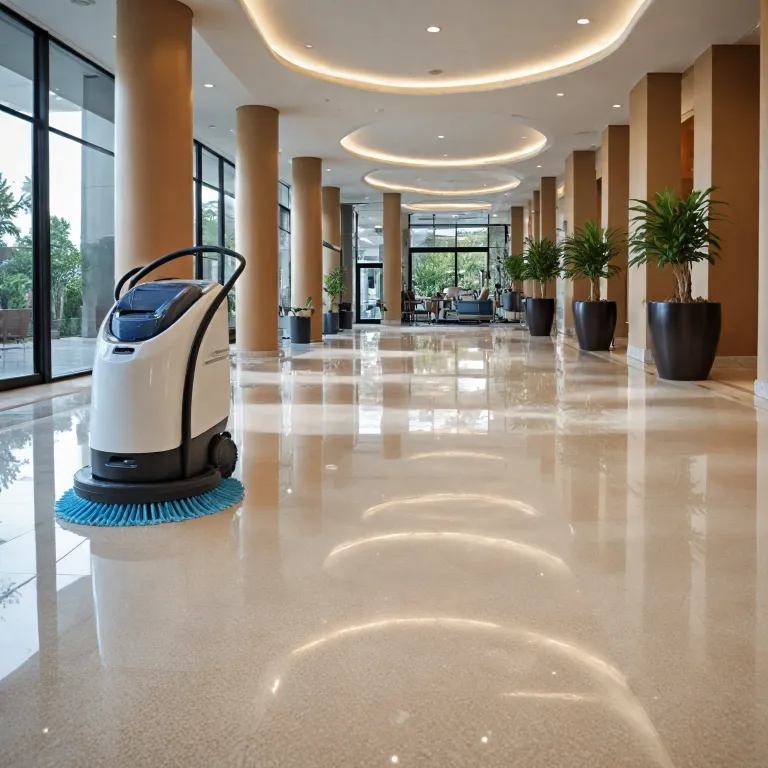
Rethinking floor care strategies with tornado auto scrubber technology
For agencies and tour operators, the guest journey starts on the floor. A modern tornado auto scrubber transforms that first impression, turning high traffic lobbies and corridors into consistently clean, safe spaces. In a sector where every square metre counts, a compact automatic scrubber can be as strategic as a revenue management system.
Hospitality buyers increasingly compare each floor scrubber as carefully as a room type, weighing cleaning productivity, price, and lifecycle costs. Tornado Industries, based in West Chicago, has built its reputation on automatic machines that align with these expectations for reliability and ergonomics. Their scrubber ranges, from compact walk behind units to larger scrubbers, are designed for agencies managing both leisure and business flows across multiple properties.
For travel managers and OTA partners, a consistently clean floor reduces complaint rates and protects brand scores. When a scrubber tornado model maintains glossy tiles in an airport hotel or coach terminal, it quietly supports satisfaction metrics that influence repeat bookings. This is why many suppliers now treat each scrubber as a long term asset rather than a simple cleaning product.
The BD 14/4 cordless floor scrubber, with its 14 inch cleaning path, is particularly relevant for tight back of house corridors and compact reception zones. It replaces manual mop routines with an automatic scrub that removes residues more effectively and dries faster. For agencies coordinating late check ins, this faster turnaround reduces slip risks during peak month arrivals.
As expectations rise, hospitality procurement teams need a clear view of brush technologies, battery autonomy, and financing options. A tornado floorkeeper solution that integrates cylindrical brush systems and efficient water recovery can reduce both labour and chemical usage. This combination of performance and sustainability is now central to competitive tenders across the travel ecosystem.
Matching tornado auto scrubber models to hospitality use cases
Each property type within the travel chain demands a different tornado auto scrubber configuration. Boutique hotels, urban aparthotels, and resort conference centres rarely share the same floor materials, traffic patterns, or cleaning windows. Selecting the right automatic scrubber therefore becomes a question of aligning brush systems, tank capacity, and manoeuvrability with operational realities.
The BR 18/11 walk behind brush assist automatic scrubber illustrates this alignment for mid sized spaces. Its cylindrical brush design, running at high rotational speed, excels on textured floor surfaces often found in spa corridors and poolside access zones. With an 11 litre class solution tank and efficient recovery, it allows housekeeping teams to scrub and dry in a single pass during narrow cleaning windows.
For agencies managing multi brand portfolios, standardising on a tornado floorkeeper platform simplifies training and spare parts management. Staff can move from one scrubber tornado model to another while retaining familiar controls, brush change procedures, and battery charging routines. This consistency reduces onboarding time for seasonal workers during peak months when staff turnover is highest.
Guest facing wellness concepts also influence floor care choices, especially where premium amenities such as elevated in room body care programs are part of the brand promise. A clean, dry floor in spa changing rooms reinforces the same narrative of hygiene and care as curated amenities on the vanity. Here, a compact floor scrubber with a soft scrub brush protects delicate tiles while maintaining a high gloss finish.
Travel managers overseeing airport lounges and rail station clubs often favour smaller walk behind scrubbers with quiet operation. A low noise tornado auto scrubber can operate during opening hours without disturbing business travellers on calls. In these environments, brush assist traction and precise water control are as important as raw cleaning productivity.
For OTAs and tour operators negotiating service level agreements with hotel partners, specifying minimum floor care standards supported by automatic scrubber technology can reduce incident rates. When contracts reference defined cleaning frequencies, brush types, and machine capabilities, both sides gain clarity. This structured approach aligns physical cleanliness with the digital expectations set on booking platforms.
Battery strategies, acid batteries, and total cost of ownership
Behind every tornado auto scrubber deployment lies a battery strategy that shapes uptime and cost. Hospitality operators must balance the lower acquisition price of traditional wet acid batteries with the reduced maintenance of sealed technologies. In multi property portfolios, these decisions compound across dozens of scrubbers and hundreds of floor care shifts.
Wet acid batteries remain common in many floor scrubber fleets because of their attractive initial price. However, they demand regular checks, ventilation, and trained staff to manage topping up and safe handling. When agencies calculate total cost over several months or years, the labour associated with acid batteries can offset their early savings.
Battery operated scrubber tornado models with maintenance free designs reduce these hidden costs and simplify housekeeping routines. A stable battery pack allows teams to plan cleaning runs with confidence, especially for overnight shifts in resorts or convention centres. For travel managers, predictable runtime means fewer disruptions to guest flows and event schedules.
Procurement teams increasingly evaluate financing options that spread the product investment over structured month payments. Some suppliers propose terms in several months with low month instalments that align with seasonal revenue patterns. When combined with clear limit terms and transparent apr interest, these packages help agencies preserve credit lines for other strategic projects.
Specialised hospitality finance partners may offer view financing tools where buyers can simulate loan amount scenarios online. With a simple click button, decision makers can adjust terms months, compare payments low structures, and assess the impact on cash flow. This digital approach mirrors the booking engines used by OTAs, bringing similar transparency to equipment acquisition.
For operators already optimising consumables through initiatives such as bulk laundry detergent strategies, aligning floor care financing with procurement policies is a logical next step. A tornado floorkeeper fleet financed over predictable month payments can be integrated into multi year budgeting. This holistic view of cleaning assets, batteries, and consumables strengthens long term profitability.
Brush technologies, cylindrical brush systems, and multi surface performance
The heart of any tornado auto scrubber is its brush system, which determines how effectively it handles diverse hospitality floors. From polished stone lobbies to safety vinyl in back of house corridors, each surface demands a specific scrub brush configuration. Choosing between disc and cylindrical brush technologies is therefore a strategic decision rather than a purely technical one.
Cylindrical brush systems, as used in models like the BR 18/11, excel at capturing small debris while scrubbing. Their rotating action lifts particles from grout lines and textured surfaces, reducing the need for pre sweeping in busy areas. This is particularly valuable in resort entrances where sand, leaves, and fine dirt accumulate throughout the day.
Disc brush setups, by contrast, provide strong downward pressure for deep cleaning on flat, hard floor finishes. In conference centres and airport hotels, this configuration helps remove beverage spills and traffic marks after large events. A flexible tornado floorkeeper portfolio allows operators to select the right brush assist technology for each zone.
Some hospitality groups standardise on cylindrical brush options in public spaces while using softer scrub brushes in spa and wellness areas. This dual approach protects delicate tiles and anti slip surfaces without compromising hygiene. For travel managers, such nuanced floor care supports brand promises around safety and comfort.
When evaluating a scrubber tornado model, buyers should request a detailed view of available brush types and their recommended applications. Site trials on representative floor sections often reveal how different scrubbers handle grout, thresholds, and transitions. These practical tests complement specification sheets and help justify the product choice to finance teams.
“The BR 18/11 uses cylindrical brushes with a speed of 1300 RPM.” This verified performance figure illustrates why cylindrical brush technology is so effective on textured hospitality floors. Combined with appropriate detergents and trained operators, it enables a single walk behind machine to maintain multiple surface types across a complex property.
From manual mopping to automatic scrubber workflows
Many agencies and tour operators still encounter partner properties relying heavily on manual mopping for large floor areas. Transitioning these sites to a tornado auto scrubber workflow can significantly improve hygiene, safety, and labour efficiency. The key is to redesign cleaning routes and schedules rather than simply adding a machine.
Compact models like the BD 14/4 cordless floor scrubber are ideal entry points for this transition. “The BD 14/4 has a 14-inch cleaning path.” This footprint allows teams to navigate around furniture, reception desks, and luggage clusters while still achieving professional results.
“The BD 14/4 can clean over 10,000 square feet on a full charge, with a run time of approximately 70 minutes.” For a mid scale hotel, this means a single battery cycle can cover most public areas during a quiet period. Housekeeping managers can schedule one or two scrub cycles per day, replacing multiple manual mop rounds.
Training is essential when introducing any new scrubber tornado equipment into existing routines. Staff must understand how to select the right scrub brush, manage solution levels, and perform basic maintenance on batteries. Clear standard operating procedures ensure that the product delivers its full value rather than becoming an underused asset.
Digital tools now support this change management, with some suppliers offering online tutorials accessible via a simple click view link. Operators can add cart the correct cylindrical brush or replacement squeegee directly from a parts portal. This reduces downtime and ensures that each floor scrubber remains ready for daily use.
For travel managers and OTAs, encouraging partner hotels to adopt automatic scrubber workflows can be part of broader quality programs. When combined with initiatives such as guest amenity optimisation strategies, improved floor care reinforces a consistent, premium experience. Over time, this contributes to higher review scores and stronger brand loyalty across the travel ecosystem.
Digital procurement, pricing transparency, and strategic equipment selection
As procurement becomes more digital, hospitality buyers expect the same clarity for a tornado auto scrubber as for room inventory. Online configurators now allow users to compare each floor scrubber model by cleaning width, tank size, and battery type. With a single click, they can access technical sheets, training videos, and case studies relevant to agencies and tour operators.
Transparent price structures are central to this shift, especially when multiple scrubbers are required across a portfolio. Buyers look for clear base price figures, optional accessories, and any surcharges related to acid batteries or upgraded batteries. This level of detail supports accurate budgeting and avoids surprises during the approval process.
Many suppliers integrate financing options directly into their digital catalogues, allowing users to view financing scenarios in real time. A click view tool can show how different loan amount choices affect month payments and total apr interest. Hospitality finance teams can then align payments low structures with forecasted occupancy and event calendars.
Some platforms include a prominent click button to request customised limit terms or extended terms months for larger fleets. This is particularly relevant for international agencies coordinating equipment across several regions with varying seasonality. By structuring low month instalments, they can match scrubber tornado investments to cash flow cycles.
Once specifications are finalised, procurement teams typically add cart the selected tornado floorkeeper models and associated scrub brush sets. They may also include spare cylindrical brush kits and additional batteries to ensure resilience. This bundled approach simplifies logistics and ensures that each property receives a complete, ready to deploy product package.
For travel managers and OTAs, engaging with suppliers that offer such digital transparency strengthens trust and accountability. It also facilitates internal reporting, as stakeholders can easily view financing details, price breakdowns, and performance metrics. In a competitive hospitality landscape, this combination of operational excellence and financial clarity becomes a genuine differentiator.
Key quantitative insights on tornado auto scrubber performance
- The BD 14/4 cordless floor scrubber delivers a cleaning productivity of approximately 11 300 square feet per hour in typical conditions.
- The BR 18/11 walk behind brush assist automatic scrubber achieves around 17 969 square feet per hour, supporting larger public areas and event spaces.
- On a full battery charge, the BD 14/4 can clean over 10 000 square feet with a runtime close to 70 minutes, suitable for most mid scale hotel public zones.
- The BR 18/11 combines an 18 inch cleaning path with an 11 gallon class solution tank, balancing manoeuvrability with extended operation between refills.
- Cylindrical brush systems operating at 1 300 RPM enhance debris pickup and grout line cleaning, reducing the need for separate sweeping passes.
Frequently asked questions about tornado auto scrubber use in hospitality
What is the cleaning path of the Tornado BD 14/4 scrubber?
The BD 14/4 offers a 14 inch cleaning path, which is well suited to narrow corridors, compact lobbies, and back of house areas. This size allows operators to navigate around furniture and fixtures without repeated repositioning. For many mid scale hotels, it provides an effective balance between coverage and manoeuvrability.
How long does the battery of the BD 14/4 last on a full charge?
On a full charge, the BD 14/4 typically runs for about 70 minutes under normal operating conditions. In practice, this allows housekeeping teams to clean over 10 000 square feet of floor space in a single session. For properties with larger public areas, managers may schedule two cycles or deploy multiple units.
What type of brush does the BR 18/11 use?
The BR 18/11 uses cylindrical brushes that rotate at high speed to agitate dirt and lift debris. This configuration is particularly effective on textured tiles, safety flooring, and surfaces with grout lines. It also reduces the need for pre sweeping, which saves time during tight cleaning windows.
What is the solution tank capacity of the BR 18/11?
The BR 18/11 is equipped with an 11 gallon class solution tank that supports extended cleaning runs. This capacity is sufficient for many lobby and corridor zones without frequent refilling. For large convention properties, it still offers a good compromise between autonomy and machine weight.
Is the BD 14/4 suitable for small spaces?
Yes, the BD 14/4 is specifically designed for compact spaces where traditional mop and bucket methods are still common. Its narrow cleaning path and cordless design make it easy to manoeuvre around obstacles. This makes it a strong candidate for boutique hotels, lounges, and tight back of house corridors.