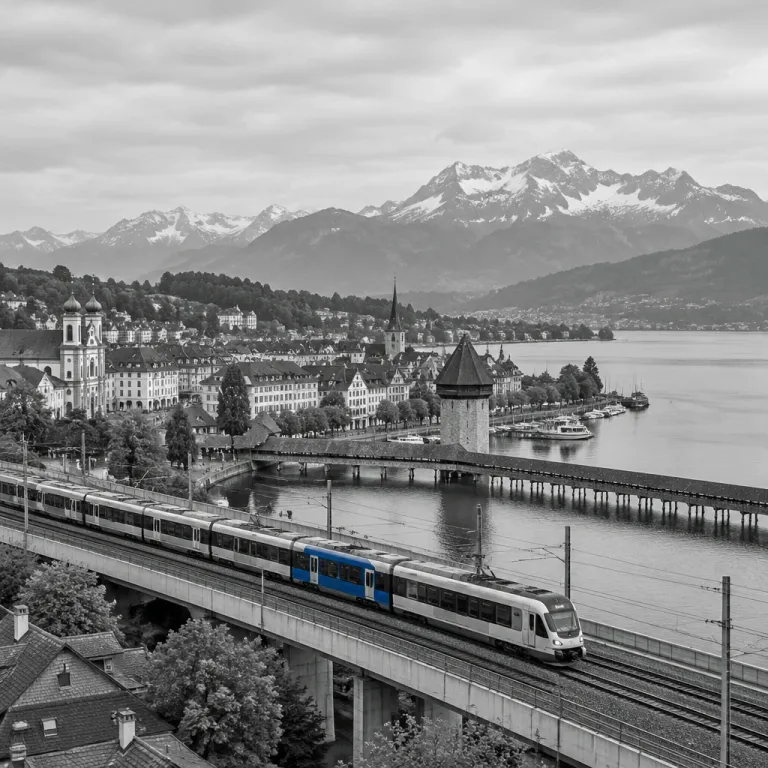
Understanding what Switzerland is famous for in the European travel ecosystem
For agencies and hotel suppliers asking what Switzerland is famous for in a European context, the answer starts with geography and reliability. This compact country in central Europe combines the Swiss Alps, pristine lakes, and a dense public transport network that underpins high value leisure and business itineraries. When you plan a tour or multi country trip linking Germany, Switzerland, and Austria, these structural strengths translate directly into better guest satisfaction and stronger margins.
Switzerland sits at the heart of central Europe, bordered by Germany, France, Italy, Austria, and Liechtenstein, which makes it ideal for cross border road trip products and rail based circuits. The country is not part of the European Union, yet it is deeply integrated economically, which matters when you negotiate rates, handle visas, and manage payments in Swiss francs alongside euros. For travel managers and OTA partners, this mix of integration and independence shapes how you package what Switzerland offers as both a standalone destination and a hub between Germany, Switzerland, and Austria.
When clients ask what Switzerland is best known for, you can confidently highlight its neutrality, multilingual culture, and precision industries. The history of Switzerland as a neutral state since the nineteenth century still reassures corporate buyers who prioritise safety and political stability for incentive groups and executive retreats. At the same time, Swiss people operate in four national languages, which allows agencies to localise content and service for German, French, and Italian speaking markets without leaving the country.
From Alps to lakes: mapping the best places for high yield itineraries
To answer what Switzerland is famous for in concrete product terms, start with the Swiss Alps and the major lakes. Iconic mountains such as the Matterhorn and Jungfraujoch, combined with lake destinations like Lake Geneva and Lake Lucerne, create a natural backbone for both leisure tours and premium meetings and incentives. For travel managers designing a blended business and wellness trip, these mountains and lakes allow you to alternate boardrooms with alpine experiences in a single compact itinerary.
Rail remains the signature way to visit Switzerland, and the national train network is a strategic asset for agencies and OTA platforms. High frequency, punctual trains connect Zurich, Geneva, Lucerne, and smaller alpine hubs, which lets you build complex view tours and multi stop passes without relying on domestic flights. When you promote a Switzerland train based product, you are also selling lower emissions, predictable timings, and seamless connections to neighbouring Germany and Austria.
Urban gateways still matter, and Zurich and Geneva anchor most international arrivals into the country. Zurich offers finance, design, and tech ecosystems, while Geneva hosts international organisations, which is ideal for corporate and association events that then extend into the Swiss Alps for leisure extensions. For remote work and digital nomad segments, these cities combine strong connectivity with easy access to nature, a trend analysed in depth in this report on how remote work is reshaping travel trends for agencies and hotel suppliers.
Designing multi country tours across Germany, Switzerland, and Austria
For tour operators and travel managers, one of the best things about Switzerland is how naturally it fits into multi country itineraries. A classic rail or road trip can start in Munich in Germany, cross into the Swiss Alps via Lucerne or Zurich, and continue to Salzburg or Vienna in Austria without long transfer times. These Germany, Switzerland, and Austria combinations allow you to sell three cultures, three currencies, and multiple languages in a single, coherent product.
When you compare Germany, Switzerland, and Austria as a triangle, Switzerland often becomes the emotional highlight of the tour. Clients remember the alpine views, the lakes, and the iconic Switzerland train journeys more vividly than some urban stops, which supports premium pricing and upsell opportunities. For agencies already doubling down on Italy, France, Japan, Portugal, and Greece, integrating Switzerland as a high yield extension can diversify your European portfolio without diluting focus, as shown in this analysis of why tour operators keep reinforcing five core destinations.
Operationally, the fact that Switzerland is outside the European Union but inside the Schengen Area requires careful briefing of clients and partners. You must explain that border checks are usually light for Schengen travellers, yet payments in Swiss francs and different consumer regulations still apply. When you present what Switzerland brings to a Germany Austria circuit, emphasise that this difference is not a barrier but a value driver, signalling quality, safety, and a distinct service culture.
Iconic Swiss products: chocolate, watches, and the Swiss army brand effect
Any serious answer to what Switzerland is famous for must include chocolate, cheese, and watches. Swiss artisans have built a global reputation for chocolate and cheese specialities such as fondue and raclette, which are now essential elements in culinary tours and incentive programmes. For agencies, these products are not just souvenirs but touchpoints that connect guests emotionally to the country and to the Swiss people who create them.
Swiss watchmakers and the broader precision engineering sector also shape how international travellers perceive Switzerland’s best qualities. Factory visits, boutique experiences, and behind the scenes workshops can be integrated into premium tours for high net worth clients or corporate reward trips. The Swiss army brand, from multi tools to outdoor gear, reinforces this narrative of reliability and functionality, which aligns perfectly with the expectations of business travellers and adventure seekers.
Food and culture remain powerful storytelling tools when you promote things Switzerland is known for beyond landscapes. When guests taste local chocolate after a day on the mountains or share fondue in an alpine village, they experience the history of Switzerland in a tangible way. As one official answer summarises it clearly, “What foods is Switzerland famous for? Chocolate, cheese, fondue, raclette”, and these four elements should appear in every serious leisure or incentive proposal.
Data driven positioning: what Switzerland offers to agencies and hotel suppliers
For B2B partners, understanding what Switzerland is famous for also means reading the data behind the postcard images. The country holds a significant share of Europe’s freshwater reserves, with numerous lakes and reservoirs that support both hydropower and tourism infrastructure. This abundance of Switzerland lakes, from Lake Geneva to smaller alpine basins, underpins reliable winter operations, spa concepts, and summer lake resort products.
Mountain geography defines much of the country, with dozens of peaks above 4 000 metres shaping the Swiss Alps skyline. These mountains have driven investment in alpine transport, including cable cars, cogwheel trains, and panoramic routes that agencies can package as view tours or themed rail journeys. When you promote a Switzerland lake and mountain itinerary, you are leveraging decades of public and private investment in safety, engineering, and guest services.
Political stability and neutrality remain central to the history of Switzerland and to its appeal for corporate and association events. The long tradition of avoiding foreign wars since the early nineteenth century has created a perception of safety that is rare even within central Europe. For travel managers handling risk averse sectors, this stability, combined with the strength of the Swiss franc and the country’s advanced banking system, justifies positioning Switzerland as a premium yet dependable choice.
Building partnerships and wellness products around Swiss landscapes
Agencies and hotel suppliers who ask what Switzerland is famous for increasingly look beyond skiing to wellness and sustainability. Alpine and lake environments provide natural settings for retreats, corporate offsites, and slow travel products that align with longer stays and higher average daily rates. For OTAs and tour operators, this means curating Switzerland’s best places not only for views but for restorative experiences that combine nature, culture, and health.
Partnerships with local wellness resorts, spa hotels, and retreat centres around Lake Geneva, Lucerne, and other Switzerland lakes require robust vetting processes. Quality focused agencies now use structured frameworks to evaluate practitioners, facilities, and safety standards before adding them to a tour or dynamic package, as outlined in this methodology for a wellness supplier map that explains how operators vet retreats, spas, and practitioners before selling them. When you integrate these vetted partners into a Switzerland road trip or train based itinerary, you can confidently market both the scenery and the standards.
For the wider ecosystem of agencies, OTAs, and hotel suppliers, the key is to align what Switzerland is famous for with measurable outcomes. Alpine and lake settings support higher engagement in corporate programmes, while Swiss transport reliability reduces operational risk and unplanned costs. By tracking guest satisfaction, repeat bookings, and ancillary sales around Swiss Alps and lake experiences, you can prove that focusing on things Switzerland is genuinely known for delivers both emotional impact and financial performance.
Key figures that shape Switzerland’s appeal
- Switzerland recognises four national languages, which allows agencies to serve German, French, Italian, and Romansh speaking markets within a single country (Swiss Federal Statistical Office, national language statistics).
- The Swiss Alps include 48 mountain peaks above 4 000 metres, creating one of the densest high mountain regions in Europe and supporting year round alpine tourism (SwissTopo and UIAA official list of 4 000 m summits).
- Switzerland holds around 6 percent of Europe’s freshwater reserves, which explains the prominence of lakes such as Lake Geneva and Lake Lucerne in tourism and wellness products (Swiss Federal Office for the Environment, continental hydrology reports).
FAQ: what Switzerland is famous for in the travel and hospitality sector
What are Switzerland’s main languages and why does this matter for agencies ?
German, French, Italian, and Romansh are the four national languages of Switzerland, and this multilingualism lets agencies localise content and service for several European source markets without leaving the country. For tour operators and OTAs, it simplifies cross border marketing and supports mixed language groups on the same tour. Multilingual Swiss staff also reduce friction in hotels, trains, and excursions.
Why is Switzerland considered neutral and how does that affect travel demand ?
Switzerland has maintained a policy of neutrality since the early nineteenth century, avoiding participation in foreign wars and hosting international diplomacy. This history of neutrality reassures corporate buyers and high end leisure travellers who prioritise safety and political stability. As a result, Switzerland is often chosen for international organisations’ meetings, arbitration, and association congresses.
What foods is Switzerland famous for and how can agencies use them in products ?
Official information highlights that “What foods is Switzerland famous for? Chocolate, cheese, fondue, raclette”, and these four items are central to culinary and incentive programmes. Agencies can integrate factory visits, tasting menus, and themed dinners in alpine villages to turn these foods into memorable experiences. Such activities also support local Swiss artisans and add high perceived value at relatively low operational cost.
How important are trains for visiting Switzerland compared with road trips ?
Trains are often the most efficient way to visit Switzerland because the national network is dense, punctual, and well integrated with buses, boats, and cable cars. For many itineraries, a Switzerland train pass offers better timing and lower risk than a self drive road trip, especially in winter or in high mountain areas. Agencies can still combine both modes by using rail for long segments and private transfers for last mile access to remote hotels.
Is Switzerland part of the European Union and what does that mean for travellers ?
Switzerland is not a member of the European Union, although it participates in the Schengen Area and has numerous bilateral agreements with EU states. Travellers usually experience open borders within Schengen but must handle a different currency, the Swiss franc, and sometimes different consumer rules. For agencies, this means clear pre travel communication about payments, roaming, and insurance while still marketing Switzerland as an integral part of central Europe circuits.