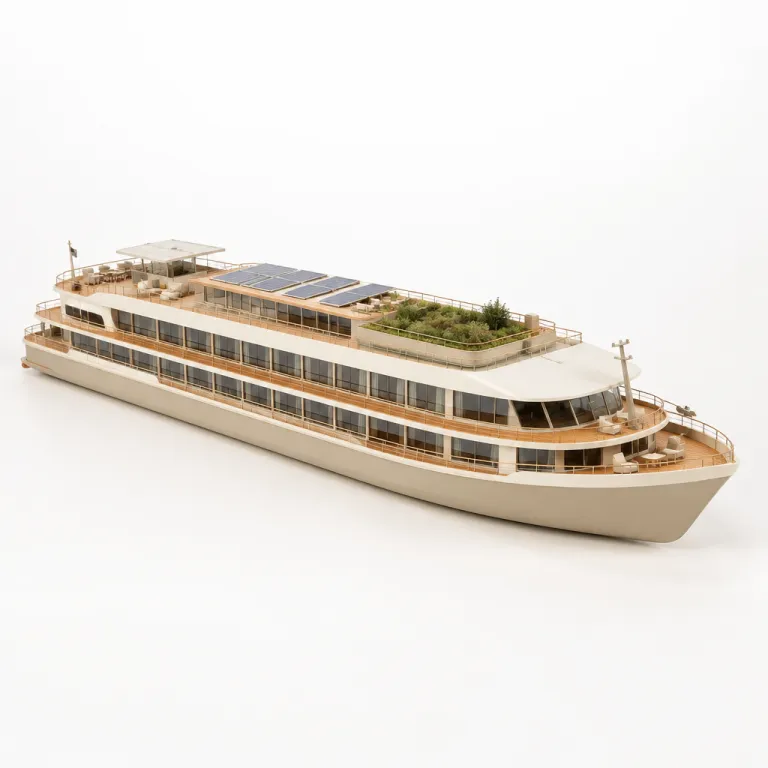
Ms Saphir as a flagship for sustainable lake Lucerne partnerships
Ms Saphir is more than a passenger ship on Lake Lucerne; it is a strategic laboratory for sustainable partnerships between the Lake Lucerne navigation company SGV and hospitality players. As a modern motor vessel operated by SGV, Ms Saphir increasingly sits at the crossroads of mobility, leisure, and business travel. For agencies and tour operators, this Lake Lucerne passenger vessel creates a tangible bridge between premium guest experience and measurable environmental performance.
The current propulsion system of Ms Saphir relies on conventional fuel and electrical energy, yet the long‑term profile of the ship is already framed by a clear sustainability policy. Lucerne navigation stakeholders are working on a hydrogen-based roadmap that positions the planned Saphir hydrogen project as a reference for low and potentially emission‑free lake cruising. For travel managers and OTA partners, this means that every traveller profile can be aligned with corporate ESG objectives while still enjoying the iconic panorama des Vierwaldstättersees.
From a B2B perspective, Ms Saphir will attract both leisure travellers and business delegates who expect transparent data about energy use and safety. The navigation company is therefore preparing a robust data system to track fuel consumption, electrical energy inputs, and potential fuel cell performance once SGV conversion scenarios are validated. These technical updates and performance summaries become essential content elements that agencies can integrate into proposals, RFP responses, and sustainability reports.
Hydrogen based propulsion and what it means for travel programs
For corporate travel managers, the shift toward hydrogen propulsion on Lake Lucerne is not a distant concept; it is a near‑term lever for decarbonizing meetings and incentives. The Saphir hydrogen vision aims to replace part of the current motor configuration with a fuel cell and electrical energy storage, creating a hybrid motor vessel architecture. When SGV’s proposed conversion project moves forward, agencies will be able to position Ms Saphir as a flagship for low‑impact transfers between Lucerne and key lakeside venues.
Green hydrogen used as ship fuel has direct implications for policy and procurement. Once the navigation company publishes verified data on hydrogen consumption, low‑emission performance, and safety metrics, travel buyers can integrate these numbers into supplier scorecards. This is where a structured sustainability and technology framework, similar to the one described for hospitality partnerships in high profile aviation event capacity strategies, becomes highly relevant for Lake Lucerne programs.
Agencies that manage both leisure and business flows will need clear documentation explaining how the hydrogen‑based system works for every passenger ship in the fleet. Lucerne navigation experts are already assessing how a fuel cell can interact with existing motor systems, emergency procedures, and lake‑specific constraints des Vierwaldstättersees. For OTAs and tour operators, translating this technical profile into simple, human‑centric messaging will be essential to reassure passengers about safety while highlighting the innovation behind future Saphir hydrogen operations.
Safety, policy, and data governance around ms Saphir
Any shift toward hydrogen on a passenger ship raises legitimate questions about safety and regulatory policy. The navigation company managing Ms Saphir will have to align with Swiss inland navigation rules, international safety standards, and local environmental requirements for Lake Lucerne. For travel managers and tour operators, understanding this policy landscape is crucial before positioning the motor vessel as a core component of premium itineraries.
Hydrogen storage, fuel cell integration, electrical energy management, and passenger data flows all require a robust governance framework that goes beyond traditional ship procedures. Agencies should expect detailed documentation on risk assessments, emergency drills, crew training, and privacy policy implementation related to hydrogen operations on Ms Saphir, especially when the SGV conversion phase begins. This information will help reassure corporate clients that the vessel meets or exceeds the safety expectations usually associated with aviation or rail segments, while also confirming that data policy standards for bookings, onboard Wi‑Fi, and loyalty programs are respected.
Hospitality partners should therefore request clear privacy policy statements and system diagrams from SGV, ensuring that marketing initiatives respect both legal requirements and guest expectations, just as pet‑friendly hospitality partnerships must respect data and welfare standards outlined in specialized cross‑sector collaborations. By consolidating safety, policy, and data governance into a single, transparent framework, Ms Saphir can be positioned as a benchmark for responsible hydrogen‑based lake navigation.
Designing lake Lucerne products around ms Saphir for agencies and OTAs
For leisure agencies and tour operators, Ms Saphir offers a versatile platform to design themed cruises on Lake Lucerne that align with evolving sustainability expectations. The passenger ship can host short panoramic sailings, private charters, or multi‑stop itineraries that connect Lucerne with boutique hotels and event venues around des Vierwaldstättersees. By integrating the future Saphir hydrogen narrative, these products gain a strong storytelling angle that resonates with environmentally conscious travellers.
Business travel managers can also use the motor vessel as a low‑impact transfer option for meetings and incentives, especially when combined with rail arrivals into Lucerne. Once the navigation company publishes verified data on emission‑free or low‑emission segments after the SGV conversion project, agencies will be able to calculate more accurate carbon profiles for each passenger. For example, a group transfer that replaces a 40‑kilometre coach journey with a hydrogen‑assisted cruise on Ms Saphir could be compared against standard road emissions to quantify avoided CO₂ in internal dashboards.
OTAs and meta‑search platforms should treat information about Ms Saphir as a premium layer within their product pages, rather than a generic ship description. Detailed profiles can explain how the fuel cell and electrical energy system work, how safety procedures are managed, and how SGV positions Ms Saphir within its broader Lucerne navigation strategy. This level of transparency helps travellers choose itineraries that align with their values, while also supporting hotels and suppliers that invest in similar green hydrogen initiatives.
Partnership models between navigation, hotels, and travel intermediaries
Ms Saphir can become a central asset in partnership models that link the navigation company, lakefront hotels, and specialized agencies. A hotel group in Lucerne might, for example, bundle meeting packages with private evening sailings on the motor vessel, using the Saphir hydrogen roadmap as a differentiating sustainability feature. Such collaborations allow both the hotel and SGV to share data on passenger volumes, fuel use, and energy savings, creating a joint narrative around low‑emission mobility on Lake Lucerne.
For OTAs and tour operators, co‑branded campaigns can highlight how hydrogen‑based propulsion supports broader corporate sustainability reporting. This aligns well with the type of technology‑enabled hospitality partnerships described in corporate sustainability reporting directive services for hospitality, where data and policy frameworks drive new commercial models. By integrating verified data from the navigation company into marketing materials, agencies can position Ms Saphir as a benchmark vessel for responsible travel on des Vierwaldstättersees.
Travel managers should also negotiate clauses that reflect the evolving profile of the ship, especially as SGV’s conversion projects introduce new fuel cell components and safety protocols. Contractual language can reference the privacy policy and data policy of the navigation company, ensuring that passenger data from events or incentive groups is handled consistently across systems. Over time, these partnership models will help standardize expectations for hydrogen‑based mobility, making it easier for travellers to compare Ms Saphir with other passenger ship options in Europe.
Operational and marketing implications of the ms Saphir transition
The operational shift toward hydrogen propulsion on Ms Saphir will require careful planning from both the navigation company and its hospitality partners. During the SGV conversion phase, capacity adjustments, maintenance windows, and test sailings may affect availability for agencies and OTAs. Clear communication about these changes, supported by up‑to‑date data from the operator, will help travel managers maintain reliable itineraries for travellers heading to Lucerne.
From a marketing standpoint, Ms Saphir should be presented as a living case study in hydrogen‑based mobility rather than a static product. Profiles on B2B portals can explain how the fuel cell, electrical energy storage, and conventional motor systems interact to keep the passenger ship both efficient and safe. This narrative can be reinforced with visual content that shows the vessel on Lake Lucerne, highlighting the contrast between traditional diesel‑based propulsion and the new low‑emission ambitions des Vierwaldstättersees.
Agencies that manage both leisure and business segments will benefit from training sessions with Lucerne navigation experts to fully understand the technical and policy aspects of hydrogen operations on Ms Saphir. These sessions can cover safety procedures, privacy policy implications for onboard digital services, and the broader energy strategy of the navigation company. With this knowledge, travel professionals can confidently position Ms Saphir as a cornerstone of sustainable lake experiences, while aligning every traveller profile with corporate and destination‑level climate goals.
Key figures on hydrogen, lake navigation, and sustainable travel
- According to the International Energy Agency, low‑emission hydrogen production represented less than 1 % of total hydrogen output worldwide in 2022, highlighting the early stage of green hydrogen adoption in sectors such as inland navigation (International Energy Agency, Global Hydrogen Review 2023).
- Data from the Swiss Federal Office of Energy indicate that transport accounts for roughly one third of Switzerland’s final energy consumption, which underscores the strategic value of shifting passenger ship operations on Lake Lucerne toward hydrogen‑based and electrical energy systems (Swiss Federal Office of Energy, Energy in Switzerland overview).
- Studies by the International Maritime Organization estimate that alternative fuels and new propulsion technologies could reduce greenhouse gas emissions from shipping by up to 50 % by mid‑century, a target that directly informs the long‑term Saphir hydrogen roadmap and similar conversion projects (International Maritime Organization, greenhouse gas reduction scenarios).
- Tourism statistics from Lucerne Tourism show that the region records several million overnight stays annually, meaning that even a modest modal shift toward low‑emission lake transfers on vessels like Ms Saphir can significantly improve the overall climate profile of local hospitality ecosystems (Lucerne Tourism, annual statistics reports).
FAQ about ms Saphir and hydrogen based lake navigation
How does ms Saphir fit into sustainable travel programs for corporate clients ?
Ms Saphir offers a premium passenger ship experience on Lake Lucerne that can be integrated into meetings, incentives, and corporate retreats as a lower‑impact alternative to road transfers. As the Saphir hydrogen roadmap and SGV conversion projects advance, travel managers will be able to document reduced emissions and align itineraries with corporate ESG targets. This makes the motor vessel an attractive option for companies seeking both memorable events and measurable sustainability gains.
What are the main safety considerations for hydrogen based propulsion on ms Saphir ?
Hydrogen‑based propulsion requires strict safety protocols covering storage, ventilation, fuel cell operation, and emergency procedures. The navigation company and SGV must comply with Swiss inland navigation rules and international guidelines, ensuring that the vessel maintains or exceeds existing safety standards. Agencies should request up‑to‑date safety documentation and training materials before promoting hydrogen‑powered sailings to clients.
How will data and privacy be managed for passengers on ms Saphir ?
Passenger data for Ms Saphir flows through booking platforms, onboard systems, and sometimes loyalty programs, which makes a clear privacy policy essential. The navigation company is responsible for defining a transparent data policy that explains how information is collected, stored, and shared with partners such as OTAs and hotels. Travel professionals should verify that these policies align with their own compliance frameworks before integrating Ms Saphir into large‑scale programs.
What commercial opportunities does ms Saphir create for hotels and tour operators ?
Hotels around Lake Lucerne can bundle room nights, meeting spaces, and exclusive sailings on the passenger ship to create high‑value packages. Tour operators and OTAs can build themed itineraries that highlight the Saphir hydrogen roadmap, positioning the motor vessel as a symbol of innovation on des Vierwaldstättersees. These collaborations allow partners to share marketing assets and leverage the growing demand for low‑emission or emission‑free travel experiences.
How should agencies communicate the hydrogen transition to end customers ?
Agencies should focus on clear, human‑centric explanations of how hydrogen‑based propulsion and fuel cell systems reduce emissions while maintaining safety and comfort. Visual aids, simple diagrams, and concise data points from SGV can help travellers understand the benefits without overwhelming them with technical jargon. By framing Ms Saphir as a practical step toward cleaner mobility on Lake Lucerne, travel professionals can build trust and enthusiasm among both leisure and business travellers.