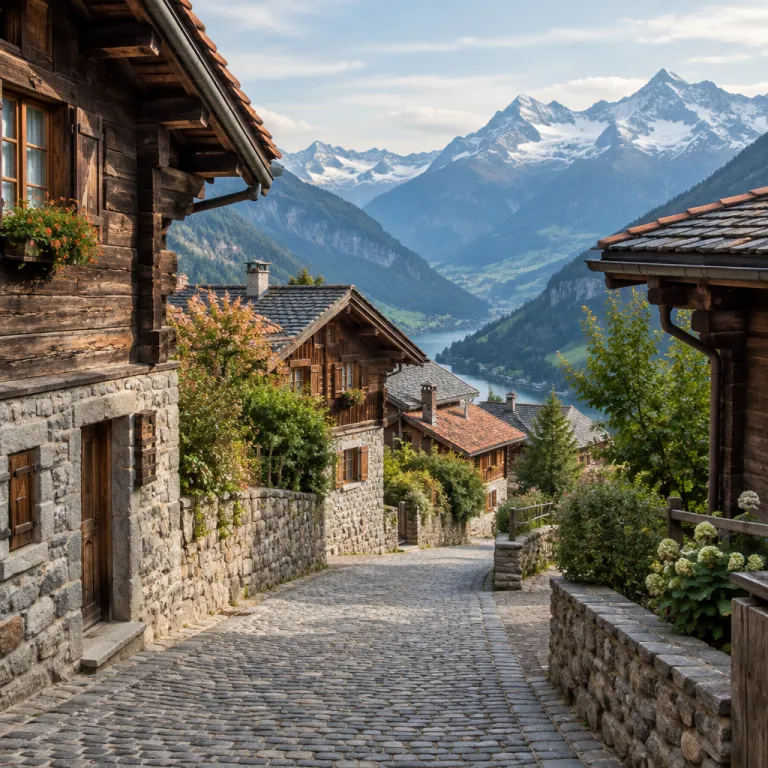
Why the most beautiful villages in Switzerland matter for high value programs
For leisure agencies and corporate travel managers, the most beautiful villages in Switzerland are no longer a niche curiosity. These officially selected Swiss villages form a strategic layer between anonymous resort inventory and over visited cities, giving your clients a village scale experience with strong governance and reliable standards. When you integrate these villages into a tour or incentive program, you gain both storytelling power and measurable differentiation in a crowded European destination portfolio.
The national association Les Plus Beaux Villages de Suisse acts as curator, using heritage evaluation, landscape harmony and architectural integrity to decide which village qualifies. According to the association’s official list, there are currently just over 50 member villages across multiple cantons, including well known examples such as Gruyères (Fribourg), Soglio (Graubünden), Morcote (Ticino), Saint-Ursanne (Jura), Guarda (Graubünden), Evolène (Valais), Ernen (Valais) and Grimentz (Valais). This spread allows you to design multi day itineraries that cross language regions while staying within a consistent quality framework. For agencies, this structure turns a scattered set of small towns into a coherent product line, with each village and town offering its own mix of attractions in Switzerland such as Romanesque churches, lakeside promenades or access to the Swiss Alps.
Because Switzerland is located at the heart of Europe with excellent rail access, these small destinations are ideal for slow travel concepts and low impact incentive trips. A village in canton Graubünden can be paired with a lakeside town in central Switzerland to balance mountain scenery with softer landscapes and wine culture. When you position these villages as the perfect destination for clients seeking panoramic views, authentic population scale encounters and outdoor experiences, you also support the association’s goal to spread tourism beyond major hubs and preserve architectural heritage.
Designing scalable products around Switzerland’s certified villages
Building repeatable products around the most beautiful villages in Switzerland starts with understanding the association’s criteria. The Swiss villages association explains very clearly: “What criteria determine these villages? – Historic centre, harmony of architecture & landscape, cultural heritage preservation – Can major towns be included? – Only small municipalities meeting criteria allowed – How many are there? – Just over 50 officially designated villages.” For leisure agencies, tour opérateurs and OTAs, this means every selected village or small town already comes with a baseline of authenticity and visual appeal that you can confidently promote.
From a product architecture perspective, think in modular clusters of two or three villages in the same region of Switzerland, located within 60 to 90 minutes of each other. One cluster might focus on canton Graubünden, combining a mountain village such as Guarda (around 200 beds) with a valley town like Soglio (roughly 120 beds) to offer both outdoor activities and softer cultural attractions in Switzerland such as museums or culinary workshops. Another cluster could highlight central Switzerland, where clients can travel between lakeside villages and alpine viewpoints in a single day, always with panoramic views as the visual thread.
Risk management remains critical when you extend your portfolio into smaller destinations and lesser known operators. Luxury agencies already face this challenge when sourcing authentic experiences, and the same logic applies when you vet a local inn or mountain guide in a Swiss village; resources on how to vet local operators for authenticity and reliability are directly transferable to these Swiss Alps contexts. By combining the association’s quality charter with your own due diligence, you will reduce operational risk while still offering clients the most stunning rural scenery and intimate population scale encounters.
Seasonality, capacity and yield management in small Swiss destinations
Seasonality in the most beautiful villages in Switzerland is both an opportunity and a constraint for professional planners. Many of these Swiss villages sit in or near the Alps, which means the months of winter bring snow based activities, while the summer months favour hiking, cycling and lake swimming. For agencies and travel managers, the challenge is to match this strong seasonality with corporate calendars, school holidays and airline capacity without overwhelming a small village population.
During the peak months of winter, a mountain village in canton Graubünden might have limited beds yet very high demand for ski weekends and incentive groups. You will need to cap group sizes, stagger arrivals and sometimes split a program between two neighbouring villages or a nearby town to avoid stressing local infrastructure. The same principle applies in the summer months, when outdoor events, panoramic views from cable cars and access to the north face of iconic peaks in the Swiss Alps attract both leisure travellers and corporate groups.
Shoulder seasons are where agencies can create the most value and the most stunning guest experiences. The association itself recommends that visitors “Visit during shoulder seasons, Use public transport, Stay local to experience culture”, which aligns perfectly with sustainable travel strategies and high touch itineraries. For inspiration on how a single seasonal event can elevate a leisure program, study how the Baden Baden Christmas market reshapes high value leisure programs and adapt similar thinking to winter festivals or Advent markets in Swiss small towns.
Operationalising slow travel through Swiss village itineraries
Slow travel is no longer a buzzword when you work with the most beautiful villages in Switzerland; it becomes an operational framework. These Swiss destinations are typically connected by efficient public transport, allowing you to design itineraries where clients travel by train and bus between each village and town instead of relying on private coaches. That shift reduces environmental impact, supports local infrastructure and turns the journey itself into part of the experience, with constant views of lakes, forests and high ridgelines.
For leisure agencies and travel managers, a three or four night tour across several villages in central Switzerland can be structured as a series of short hops. One practical example: Day 1, arrival in Lucerne and transfer by boat and bus to a lakeside village with around 80 beds; Day 2, morning cruise and 45 minute rail journey to a mountain small town with approximately 100 beds; Day 3, 40 kilometre transfer to a valley village with vineyards and 70 beds; Day 4, return by train to Zürich for departure. Each stop offers different attractions in Switzerland, from heritage churches to cheese dairies, yet the overall narrative remains coherent because the Swiss Alps and their panoramic views frame every transfer.
Corporate travel programs can also integrate these villages as pre or post extensions around meetings in a larger town. A board meeting in Zürich or Geneva can be followed by a two day retreat in a village in canton Graubünden, where the population is small enough that delegates will meet locals in the bakery and on the hiking trails. When you present this as a perfect destination for reflection and team cohesion, don’t forget to highlight practicalities such as luggage transfers, rail passes and multilingual guides, which will reassure both clients and internal stakeholders.
Partnering with local actors and aligning with sustainability goals
Working with the most beautiful villages in Switzerland requires a different partnership mindset than contracting a large city hotel. Many of these Swiss villages rely on small family run hotels, guesthouses and restaurants, which means your contracting strategy must balance rate negotiation with long term relationship building. When you bring a group whose population size may temporarily double that of a village, you also carry responsibility for how that visit affects local life and the surrounding mountain environment.
The association behind these villages collaborates with tourism boards and municipalities to ensure that heritage preservation and landscape protection remain central. Agencies can align with this by prioritising public transport, promoting outdoor activities that respect trails and wildlife, and steering clients towards locally owned businesses rather than external chains. This approach not only protects attractions in Switzerland such as historic centres and lakeside promenades, it also creates richer stories for your marketing and higher perceived value for clients seeking the most stunning and authentic experiences.
Strategic partnerships also extend to corporate travel, where sustainability KPIs are increasingly part of RFPs and program design. Resources on reshaping high value corporate journeys through more thoughtful routing show how mountain and village stays can be integrated without excessive transfers. When you can demonstrate that a tour through several Swiss villages in central Switzerland or canton Graubünden uses rail, supports small town economies and limits pressure on over visited hubs, you strengthen both your environmental narrative and your commercial proposition.
Marketing narratives and OTA merchandising for Swiss village products
Translating the most beautiful villages in Switzerland into compelling marketing content requires precision and restraint. Clients already associate Switzerland with the Swiss Alps, snow and chocolate, so your role is to move beyond clichés and highlight specific villages, their population scale and their unique views. A single image of a stone built village under fresh snow, with a church tower rising above slate roofs, can be more powerful than a generic collage of attractions in Switzerland scattered across the country.
For OTAs and tour opérateurs, merchandising these products online means structuring filters and tags around themes such as small town charm, panoramic views, outdoor activities or heritage stays. A package that includes three villages in canton Graubünden can be positioned as a perfect destination for hikers in the summer months, while the same itinerary in the months of winter can be sold as a cosy mountain retreat with snowshoeing and fondue evenings. Clear copy should explain that Switzerland is located at the crossroads of major European rail lines, making these remote looking villages surprisingly accessible for both leisure and corporate travel.
On the B2B side, sales decks for agencies and travel managers should emphasise how these Swiss villages complement rather than replace major hubs. A client might visit Zürich for meetings, then extend their travel with a two night tour through central Switzerland villages, enjoying the most stunning lake and mountain views without long transfers. When you brief your équipe, don’t forget to include talking points about sustainability, local governance and the association’s selection criteria, because these elements build trust and justify premium pricing for such carefully curated itineraries.
Key figures on Switzerland’s officially selected villages
- The national association Les Plus Beaux Villages de Suisse currently recognises just over 50 member villages across Switzerland, creating a structured portfolio of small destinations for agencies to integrate into tours and programs.
- The association has been active since the mid-2010s, with new villages added regularly, which means the product base for Swiss village itineraries continues to expand over time.
- Only small municipalities are eligible for inclusion, so each selected village typically has a limited population and compact historic centre, factors that directly influence group size planning and capacity management.
- Many of these villages are located in alpine regions such as canton Graubünden, where elevation and mountain weather patterns create distinct months of winter and summer months seasons that agencies must factor into scheduling.
- The association’s criteria focus on historic centres, harmony between architecture and landscape, and cultural heritage preservation, aligning closely with sustainability goals and the growing demand for authentic, low impact travel experiences.
FAQ about working with the most beautiful villages in Switzerland
How are the most beautiful villages in Switzerland selected ?
The villages are selected by the national association Les Plus Beaux Villages de Suisse, which evaluates each candidate on its historic centre, architectural harmony, landscape setting and cultural heritage preservation. Only small municipalities are eligible, so large towns and cities are excluded even if they are visually beautiful. This process ensures that every listed village offers both strong aesthetics and a coherent sense of place for curated travel programs.
Can major towns be included in Swiss village itineraries ?
Major towns are not part of the official list, but they can serve as gateways or logistical hubs for itineraries built around the most beautiful villages in Switzerland. Agencies often use cities such as Zürich, Geneva or Lucerne for international arrivals, then route clients into nearby villages in central Switzerland or canton Graubünden for the experiential component. This combination balances accessibility, meeting facilities and the intimate atmosphere of small town and village life.
What is the best season to visit these Swiss villages ?
The best season depends on client interests and program objectives, because the months of winter and the summer months offer very different experiences. Winter highlights include snow based outdoor activities, Christmas markets and cosy village atmospheres under the Swiss Alps, while summer focuses on hiking, cycling and lake based relaxation with long daylight hours. Shoulder seasons in spring and autumn often provide the most comfortable balance of lower population pressure, attractive pricing and still beautiful panoramic views.
How can agencies manage capacity in small Swiss villages ?
Capacity management starts with accurate data on local bed counts, restaurant seating and transport options in each village and town. Agencies should limit group sizes, consider splitting larger groups across neighbouring villages and coordinate closely with local tourism offices to avoid overlapping with major events. Using public transport where possible and planning stays of at least two nights per village also helps smooth demand and reduces operational stress on small communities.
Are these Swiss villages suitable for corporate and incentive travel ?
Many of the most beautiful villages in Switzerland work very well for small scale corporate retreats, board meetings and incentive extensions. Their compact size, strong sense of place and proximity to the Swiss Alps create memorable settings for leadership teams and high value clients. The key is to match group size to local capacity, integrate reliable transport from a larger town and design programs that respect both the environment and the daily life of the resident population.