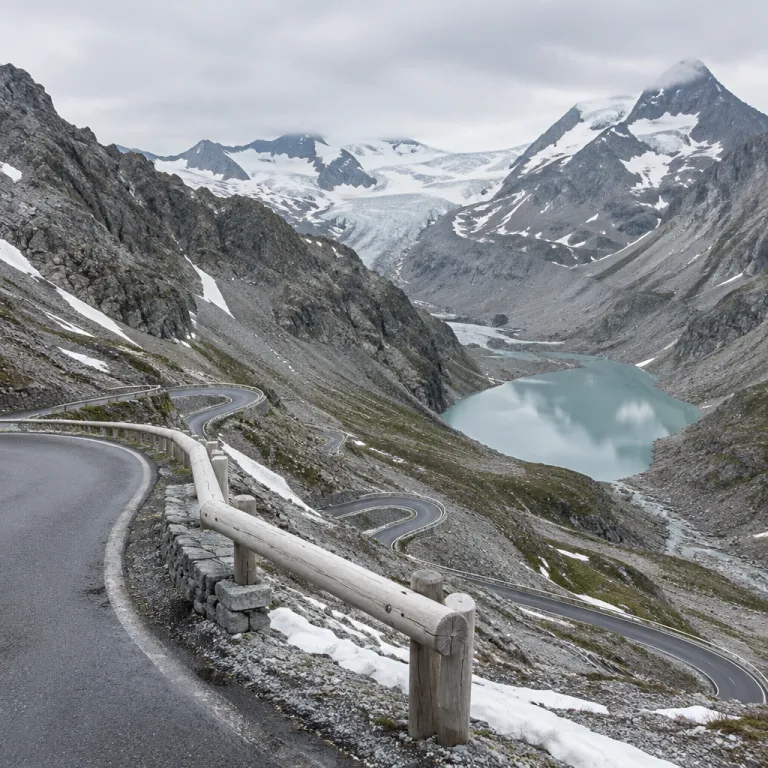
Designing high value itineraries across the great mountain passes of the Alps
For leisure and business agencies, the great mountain passes of the Alps are no longer just scenic detours; they are strategic corridors for premium itineraries. A well curated mountain pass Alps program can connect Italy, Switzerland, France and Austria in one coherent route that feels seamless for guests yet highly optimized for operations. When you treat individual pass segments as modular products, you can build flexible pass portfolios that match different client profiles and trip lengths.
Start by mapping the main chain of the Alps and identifying which mountain passes align with your core markets and air gateways. The Brenner Pass between Austria and Italy, the Gotthard Pass in Switzerland and the historic Mont Cenis between France and Italy form a powerful north south spine that can anchor multi country journeys. Around this main structure, you can then set secondary roads and alternative passes to create circular routes that reduce deadheading and improve coach utilization.
For high end FIT and small groups, focus on a limited set of iconic routes with strong storytelling potential. The Stelvio Pass in Italy, the Col de l’Iseran in France and the Great Saint Bernard Pass between Switzerland and Italy offer dramatic elevation changes, legendary hairpin roads and historic hospice sites that resonate with affluent travelers. By clearly defining the length, elevation range and seasonal open periods of each pass, agencies and tour operators can pre qualify which clients are suitable for these routes and which should be directed to gentler passes.
Seasonality, elevation and risk management on alpine passes
Seasonality is the single most critical operational variable when selling any mountain pass Alps itinerary to demanding leisure or corporate clients. Each pass has its own elevation profile, snow pattern and typical open dates, and agencies that master these details can reduce last minute rerouting costs and protect margins. For example, the Stelvio Pass and the Gavia Pass in the eastern Alps often open in late spring, while lower elevation routes such as the Reschen Pass or the Brenner Pass usually remain open most of the year according to national road agencies.
When planning, treat every col and pass as a risk asset with a defined probability of closure and a clear set of alternative roads. High elevation passes like the Col de l’Iseran, the Gotthard Pass and the Flüela Pass in Switzerland require contingency routes through tunnels or lower roads, especially for incentive groups with tight schedules. Building a matrix that links each pass to its nearest tunnel, such as the Great Saint Bernard Tunnel or the Mont Blanc Tunnel, allows travel managers to switch routes quickly without compromising the overall trip length or guest experience.
Clients seeking cultural immersion often accept longer roads and slower routes if the narrative is strong and the scenery exceptional. For these travelers, agencies can design mountain passes programs that combine the historic hospice at the Great Saint Bernard Pass, the Roman heritage around Mont Cenis and the traditional villages near the Pass of Splügen on the Italy Switzerland border. To position such products effectively, agencies can study how specialists in culturally immersive itineraries structure their offers, as outlined in this analysis of authenticity driven luxury travel demand.
Engineering cross border routes for agencies, TMCs and tour operators
For travel managers and TMCs, the mountain pass Alps network is a powerful tool to connect regional hubs and secondary cities that lack direct air links. A carefully engineered route that uses the Brenner Pass between Austria and Italy, the Reschen Pass into South Tyrol and the Gotthard Pass in Switzerland can replace short haul flights while adding experiential value. This approach is particularly attractive for corporate groups seeking lower emissions without sacrificing comfort or schedule reliability.
To design such routes, start with the main road corridors and then layer in specific passes according to client risk tolerance and time constraints. The Tauern Pass region in Austria, the Mont Cenis sector between France and Italy and the Great Saint Bernard Pass corridor between Switzerland and Italy can be combined with rail segments to create multimodal itineraries. By specifying the exact length of each road section, expected driving time and average elevation, agencies can present transparent options that help clients understand trade offs between scenic value and efficiency.
Commercially, these complex passes based itineraries justify planning fees when positioned as bespoke mobility consulting rather than simple ticketing. Agencies introducing such fees can benefit from structured communication frameworks, such as those described in this guide to introducing a planning fee without losing the client. When clients see that every pass, tunnel and route choice is backed by data on elevation, open periods and contingency roads, they are more willing to pay for the expertise behind the itinerary.
Leveraging iconic passes for premium leisure products
Iconic mountain passes in the Alps function as brand assets for leisure agencies, tour operators and OTAs targeting high yield segments. The Stelvio Pass, the Gavia Pass and the Pass of Splügen in the eastern Alps are instantly recognizable to cyclists, drivers and photographers, which simplifies marketing and upselling. By packaging these passes with carefully chosen boutique hotels and gastronomic stops, agencies can create themed routes that command higher average daily rates.
For example, a premium itinerary in Italy might combine the Passo dello Stelvio, the Gavia Pass and the Reschen Pass into a loop that starts and ends in Milan or Verona. Each pass segment can be framed as a chapter with its own elevation profile, signature viewpoints and recommended stopovers, while the overall route length remains manageable for a five to seven night stay. In Switzerland, a similar concept can link the Gotthard Pass, the Flüela Pass and the Great Saint Bernard Pass, using rail transfers to reduce time on the most demanding roads.
OTAs and dynamic packaging platforms can integrate these passes as filterable attributes, allowing clients to select routes that include the Stelvio Pass or the Col de l’Iseran in France. When combined with real time data on whether a pass is open or closed, this creates a powerful decision tool for self bookers and for agencies using white label booking engines. Over time, performance data on which passes convert best, such as the Brenner Pass for family road trips or the Mont Cenis corridor for heritage tours, can inform product development and targeted marketing.
Operational excellence on alpine roads for suppliers and DMCs
For coach companies, DMCs and hotel suppliers, the mountain pass Alps ecosystem is both an opportunity and an operational challenge. Vehicle choice, driver training and timing windows must all be aligned with the specific characteristics of each pass, from the hairpins of the Stelvio Pass to the gentler gradients of the Brenner Pass. Suppliers that can demonstrate mastery of these details gain a clear advantage when bidding for complex multi country itineraries.
Every pass and col should have a documented operating profile that includes maximum vehicle length, recommended driving direction, typical congestion periods and the nearest tunnel alternative. For instance, routes over the Great Saint Bernard Pass should always include a contingency via the Great Saint Bernard Tunnel, while itineraries using the Mont Cenis road must account for potential weather related closures outside the usual open June to October window. In Switzerland, the Gotthard Pass and the Flüela Pass can be paired with rail tunnels to maintain schedule integrity when sudden snow or rockfall affects open status.
Hotel suppliers along these roads can support agencies by providing real time updates on pass conditions and by offering flexible check in policies when delays occur. Properties near key junctions, such as those close to the Reschen Pass, the Tauern Pass region or the Pass of Splügen, can position themselves as strategic stopover points rather than simple overnight stays. When suppliers share accurate data on elevation, access roads and parking for coaches, agencies can design safer and more efficient routes that reduce driver fatigue and enhance guest satisfaction.
Data driven strategy and partnership models around alpine passes
As demand grows for low emission, experience rich travel, agencies and TMCs need a data driven strategy for the mountain pass Alps network. Tracking which passes are used in winning proposals, which routes generate the highest satisfaction scores and how often specific passes are closed allows for continuous optimization. Over time, this transforms individual passes such as the Stelvio Pass, the Gavia Pass or the Col de l’Iseran into measurable assets within a broader product portfolio.
Partnerships between agencies, OTAs and local DMCs can focus on a curated set of passes that align with shared target segments. One alliance might prioritize the eastern Alps, building signature routes around the Passo dello Stelvio, the Pass of Splügen and the Reschen Pass, while another focuses on the western arc with the Great Saint Bernard Pass, Mont Cenis and the Col de l’Iseran. In both cases, clear agreements on data sharing, pricing and contingency routing help maintain service quality when a pass is not open due to weather or maintenance.
Corporate travel programs can also integrate these passes into broader mobility strategies, especially for high value meetings and incentives. Case studies of companies reshaping their corporate journeys through multimodal European routes, such as those discussed in this article on reshaping high value corporate journeys, show how scenic roads and tunnels can replace short flights while enhancing perceived value. When agencies present the mountain passes, tunnels and main chain routes of the Alps as part of a coherent sustainability and experience narrative, they strengthen their authority with both leisure and business clients.
Key figures on alpine passes and cross border travel
| Pass or tunnel | Approx. elevation at summit or portal | Typical open period | Indicative vehicle and routing notes | Nearest tunnel or lower alternative |
|---|---|---|---|---|
| Great Saint Bernard Pass | About 2 469 metres | Late spring to early autumn | Weather sensitive; coach operations require flexible timing | Great Saint Bernard Tunnel at around 1 915 metres (Swiss and Italian road authorities; Swiss Federal Roads Office ASTRA) |
| Stelvio Pass (Passo dello Stelvio) | Roughly 2 757 metres | Late spring to early autumn | More than 40 hairpin bends on the northern side; strict vehicle length limits for group travel (Italian transport agencies; ANAS) | Lower routes via the Val Venosta and Reschen Pass |
| Brenner Pass corridor | About 1 370 metres at the motorway crest | Generally all year, with winter equipment rules | One of the busiest transalpine axes, carrying several million vehicles per year; plan around peak congestion (ASFINAG and Italian transport statistics) | Rail options and lower valley roads on both Austrian and Italian sides |
| Gotthard Pass region | Historic road at over 2 100 metres | High road open mainly from late spring to autumn | Choice between scenic surface road and high speed rail or motorway | Gotthard Base Tunnel of more than 50 kilometres (Swiss Federal Railways SBB; Swiss road authorities) |
| Col de l’Iseran and Gavia Pass | Above 2 600 metres for Col de l’Iseran; over 2 600 metres for Gavia | Typically late spring to early autumn only | High altitude, narrow sections and snow risk; best for small vehicles and experienced drivers | Year round traffic concentrates on lower passes and tunnels such as the Brenner Pass and the Great Saint Bernard Tunnel (national road agencies; ASTRA) |
These indicative figures help agencies benchmark elevation, seasonality and operational constraints when comparing alpine corridors for cross border travel design.
FAQ about alpine mountain passes for travel professionals
Which alpine passes are most suitable for first time coach groups ?
For first time coach groups, lower and wider passes such as the Brenner Pass between Austria and Italy, the Reschen Pass into South Tyrol and the Great Saint Bernard Tunnel corridor offer the best balance between scenery and operational safety. These routes have good road width, clear signage and frequent service areas, which simplifies driver planning. High elevation passes like the Stelvio Pass or the Gavia Pass should be reserved for experienced drivers and smaller vehicles.
How should agencies handle sudden closures of high elevation passes ?
Agencies should pre define at least one tunnel or lower elevation alternative for every high pass included in an itinerary. For example, trips using the Great Saint Bernard Pass should have a contingency via the Great Saint Bernard Tunnel, while routes over the Gotthard Pass can switch to the base rail tunnel or motorway. Clear communication with clients about possible rerouting and slightly longer trip length helps maintain trust when conditions change.
What is the best season to program itineraries over iconic passes ?
The optimal season for iconic high passes such as the Stelvio Pass, the Col de l’Iseran and the Gavia Pass usually runs from late spring to early autumn, when roads are open and snow risk is lower. Lower passes like the Brenner Pass or the Reschen Pass can operate much longer, often close to year round, although heavy snow can still cause temporary restrictions. Agencies should always verify official open dates and real time conditions before finalizing departures.
How can OTAs integrate alpine passes into online booking flows ?
OTAs can treat each pass as an attribute in their product database, tagging routes and packages that include the Stelvio Pass, the Gotthard Pass or the Pass of Splügen. Filters such as “includes high mountain passes” or “uses lower elevation routes” help clients choose according to comfort level and driving experience. Integrating live data on whether a pass is open or closed further reduces post booking disruptions.
Are alpine pass itineraries compatible with corporate sustainability goals ?
Yes, when designed carefully, alpine pass itineraries can support corporate sustainability goals by replacing short haul flights with rail and coach combinations. Routes that use the Brenner Pass, the Mont Cenis corridor or the Great Saint Bernard Tunnel can link major business hubs while keeping emissions lower than equivalent air segments. Travel managers should document these choices and communicate both the environmental and experiential benefits to stakeholders.
Sample 6 night alpine itinerary with contingency routing
A practical six night loop for small premium groups could start in Milan, continue via the Reschen Pass to Innsbruck, cross the Brenner Pass to Bolzano, then return to Milan through the Stelvio Pass. Day 1 covers Milan arrival and a short transfer to Lake Como; Day 2 runs Milan to Merano via the Reschen Pass in around five hours of driving; Day 3 links Merano and Innsbruck over the Brenner Pass in roughly three hours; Day 4 returns to Bormio in about four hours; Day 5 uses the Stelvio Pass loop with three to four hours of road time plus photo stops; Day 6 returns to Milan in around three hours, with departure on Day 7. If the Stelvio Pass is closed, the named contingency route keeps the group on schedule by routing Bormio to Milan via the lower Valtellina valley and the same Reschen Pass corridor, preserving overall trip length while maintaining a coherent alpine narrative.