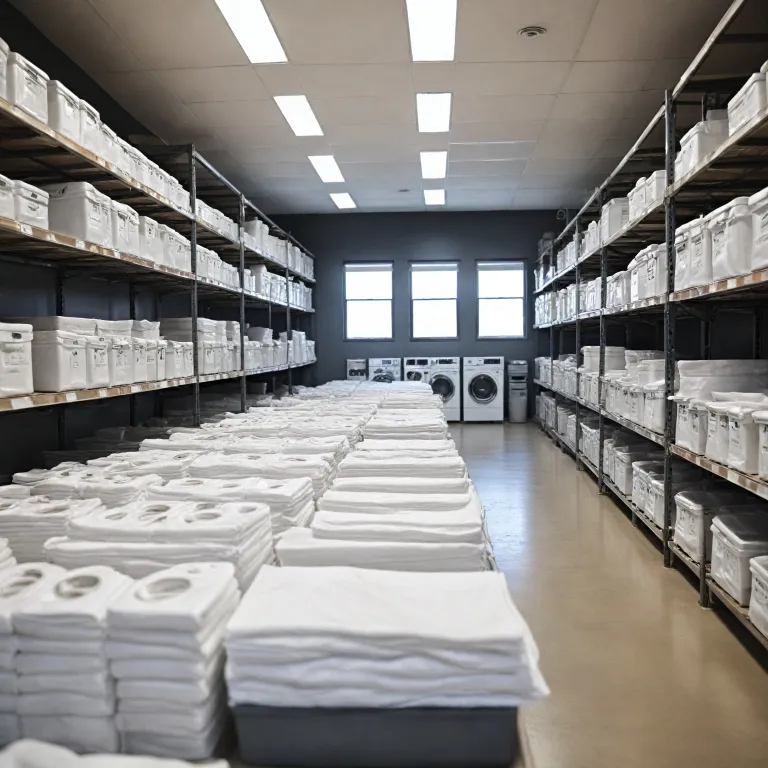
Why laundry detergent bulk strategies matter for hospitality leaders
For agencies, tour operators, travel managers, OTAs, and hotel suppliers, laundry is rarely glamorous yet always mission critical. Behind every crisp sheet and fresh towel, a carefully chosen laundry detergent bulk strategy protects guest satisfaction while safeguarding margins and brand standards. When institutional and commercial facilities such as hotels or resorts align detergent, laundry processes, and procurement, they transform a cost center into a lever for operational excellence.
The U.S. laundry care market already represents tens of billions of euros equivalent, and institutional buyers account for a significant share of detergent and laundry products. Within this context, bulk laundry purchasing is no longer a simple price negotiation ; it is a structured decision involving product performance, eco friendly credentials, packaging formats, and logistics. Agencies and travel managers who understand these dynamics can negotiate better offers and integrate laundry into broader quality and sustainability narratives.
Manufacturers such as Procter & Gamble (P&G), parent company of Tide, now innovate with formats like Tide evo tiles, a dry fiber based laundry detergent that challenges traditional liquid and powder products. These innovations reshape how a laundry room is designed, how a dispenser is calibrated, and how water and energy are consumed. For hospitality buyers, the shift from a single detergent option to a portfolio of options and formats requires new evaluation frameworks and closer collaboration with commercial laundry partners.
In this evolving market, “Tide evo tiles are dry, fiber-based laundry detergent tiles introduced by Tide as an alternative to traditional liquid and pod detergents.” This type of detergent ultra format can reduce packaging waste and simplify handling in bulk environments. For agencies and OTAs promoting sustainable stays, the ability to reference such concrete product details strengthens both marketing credibility and procurement decisions.
Aligning procurement, price unit, and guest expectations across networks
For travel managers and tour operators coordinating multi property programs, laundry detergent bulk procurement must align with brand promises and negotiated rate structures. A detergent original formula used in one hotel and a different liquid laundry product in another can create subtle variations in fragrance, whiteness, and perceived cleanliness. Guests may not name the detergent, yet they immediately sense whether linens feel consistently fresh and soft across the network.
To manage this, agencies increasingly request transparent price unit structures from suppliers, comparing liquid, powder, and detergent ultra concentrates on a cost per wash basis. Evaluating each product and its options requires more than a simple price table ; it demands clear offers that integrate dispenser compatibility, packaging type, and expected savings from reduced waste. When hotel suppliers share full view details of each pack, including dosage per unit and recommended water temperature, agencies can model total cost of ownership more accurately.
Commercial laundry partners often propose bundles that combine laundry detergent, fabric softener, dryer sheets, and stain remover solutions under a single contract. For institutional and commercial facilities, this integrated approach simplifies operations but can obscure the real price of each product unless procurement teams insist on granular details. Agencies that benchmark bulk laundry contracts across destinations can negotiate better packaging and pack formats, from large liquid drums to compact tiles, aligned with local storage constraints.
Strategic sourcing teams working on corporate hotel programs can draw on best practices from specialized guidance on elevating hotel sourcing for corporate travel. Extending these methods to detergent bulk purchasing means integrating laundry detergents into RFP templates, sustainability scorecards, and service level agreements. When OTAs and tour operators request standardized laundry soap and fabric softener specifications, they help hotel partners maintain consistent guest experiences while unlocking volume based savings.
Designing the laundry room as a strategic asset for agencies and suppliers
Within hotels, resorts, and serviced apartments, the laundry room is often treated as a back of house necessity rather than a strategic asset. Yet for agencies and tour operators promising premium bedding and towels, the performance of laundry detergents, stain remover systems, and fabric softener programs directly shapes guest reviews. A well designed commercial laundry layout, supported by the right detergent bulk choices, can reduce rewash rates, linen replacement, and water consumption.
Liquid laundry products remain dominant in many institutional and commercial facilities, but they are no longer the only viable option. Dry formats such as Tide evo tiles or compact detergent ultra concentrates reduce storage volume and simplify pack handling for staff. When combined with calibrated dispenser systems, these products help maintain precise dosage per unit of linen, preventing both under washing and chemical overuse that can damage fibers.
Agencies coordinating large events or incentive trips increasingly scrutinize how host venues manage laundry, especially when sustainability is a selling point. Guidance from destination management best practices, such as those outlined for a destination management company, can be adapted to laundry operations by mapping guest touchpoints back to operational processes. From the moment a guest views fresh breeze linens in the room to the behind the scenes handling of detergent original formulas, every step influences perceived quality.
Hotel suppliers can support this by offering modular laundry detergent options that match property scale and seasonality. Smaller units may prefer compact liquid packs with integrated dispenser caps, while larger resorts benefit from bulk laundry tanks connected to automated dosing systems. For agencies and OTAs, requesting view details on these configurations during contracting ensures that laundry soap, dryer sheets, and dish soap used in back of house areas align with broader hygiene and sustainability narratives.
Balancing eco friendly ambitions with performance in institutional laundry
As responsible travel gains prominence, agencies loisirs & business and tour operators increasingly assess how eco friendly laundry detergent bulk choices support their sustainability commitments. Many institutional and commercial facilities now test free clear formulations that avoid dyes and fragrances while still delivering reliable stain remover performance. For guests with sensitive skin, these free clear laundry detergents can be a differentiating factor, especially in wellness or medical travel programs.
However, eco friendly does not mean compromising on cleanliness, particularly when dealing with high turnover linens in commercial laundry environments. Products such as detergent ultra concentrates or advanced liquid laundry formulas are engineered to work effectively at lower water temperatures, reducing energy consumption without sacrificing hygiene. When agencies request detailed offers from suppliers, they should ask how each product performs in cold water cycles and how much savings in energy and water can realistically be achieved.
Manufacturers like Procter & Gamble (P&G), through brands such as Tide and Arm Hammer competitors, invest heavily in research to balance biodegradability, packaging reduction, and cleaning power. For example, the shift from heavy liquid drums to compact pack formats or tiles reduces packaging waste and transport emissions per unit of detergent. Agencies and OTAs promoting eco friendly tour operators and sustainable tourism practices can integrate these laundry innovations into their storytelling, provided they have access to transparent view details from suppliers.
In practice, this means comparing detergent original and eco friendly variants on both performance and lifecycle impact. Procurement teams should evaluate whether bulk laundry packaging is recyclable, whether dispenser systems minimize overdosing, and how fabric softener and dryer sheets contribute to overall chemical load. When institutional buyers align detergent bulk decisions with broader environmental KPIs, they reinforce the credibility of sustainability claims made to travelers and corporate clients.
Leveraging data, offers, and innovation in the bulk laundry market
The bulk laundry detergent market has evolved rapidly, with institutional buyers now representing a sophisticated audience for innovation. Market analyses show that a significant share of consumers and facilities purchase detergents in bulk to secure savings and reduce packaging waste. For agencies and hotel suppliers, understanding these trends helps frame negotiations around both price and long term partnership value.
In the U.S. and North American markets, institutional and commercial facilities such as hospitals, hotels, and laundromats play a central role in shaping demand for laundry detergents. Their feedback influences how manufacturers refine detergent original formulas, liquid laundry textures, and detergent ultra concentrates tailored to high capacity machines. When agencies request structured offers that include product testing, pilot programs, and performance reporting, they help accelerate innovation that benefits the entire hospitality ecosystem.
Data driven procurement teams increasingly compare price unit metrics across multiple products, factoring in not only detergent but also fabric softener, dryer sheets, and stain remover systems. They analyze how different packaging formats, from small pack units to large bulk containers, affect logistics, storage, and staff safety. By insisting on clear view details and the ability to view details online for each product, agencies and OTAs can benchmark detergent bulk proposals with the same rigor applied to room rates or airfares.
Innovations such as Tide evo tiles illustrate how product development responds to both operational and environmental pressures in commercial laundry settings. When combined with efficient dispenser technology and optimized water usage, these products can deliver fresh, clean linens while reducing overall resource consumption. For travel managers and tour operators, integrating such concrete examples into RFPs and supplier reviews strengthens their authority as informed partners to institutional and commercial facilities.
Translating laundry detergent choices into guest experience and brand value
Ultimately, the reason agencies, OTAs, and hotel suppliers care about laundry detergent bulk strategies is simple : guest experience. The scent of fresh breeze linens, the softness delivered by fabric softener, and the absence of visible stains all contribute to perceived value. When detergent, laundry processes, and stain remover protocols work seamlessly, guests rarely comment ; when they fail, complaints quickly surface.
For leisure and business agencies curating complex itineraries, consistent laundry quality across multiple properties reinforces brand promises. A traveler who enjoys the same fresh, hypoallergenic free clear linens in different hotels along a tour perceives a coherent standard, even if different institutional and commercial facilities manage the back end. This is where standardized product specifications, from detergent original to liquid laundry formats, become a strategic tool rather than a technical detail.
OTAs and tour operators can also use laundry transparency as a differentiator in segments such as wellness retreats, sports travel, or long stay programs. Providing view details on how commercial laundry partners manage water, detergent bulk, and eco friendly products reassures both corporate buyers and individual travelers. Highlighting the use of recognized brands like Arm Hammer competitors or advanced detergent ultra solutions, alongside dish soap and other hygiene products, signals a comprehensive approach to cleanliness.
For hotel suppliers, aligning laundry soap, dryer sheets, and fabric softener choices with broader brand positioning closes the loop between operations and marketing. A premium property may favor a subtle fresh breeze fragrance, while a medical stay partner prioritizes free clear formulations and rigorous stain remover protocols. In every case, thoughtful management of bulk laundry procurement, packaging, and dispenser systems transforms a routine back of house activity into a tangible contributor to loyalty, reputation, and long term savings.
Key statistics shaping laundry detergent bulk decisions in hospitality
- The U.S. laundry care market has been valued at approximately 25 billion dollars equivalent, underscoring the strategic importance of detergent and laundry products for institutional buyers.
- North America accounts for just over 31 % of the global institutional and commercial laundry detergent market, reflecting the strong role of hotels and other facilities in driving demand.
- Roughly one third of U.S. consumers report purchasing detergents in bulk, a behavior mirrored by many institutional and commercial facilities seeking savings and reduced packaging.
Frequently asked questions about bulk laundry strategies for hospitality
What are Tide evo tiles?
Tide evo tiles are dry, fiber based laundry detergent tiles introduced as an alternative to traditional liquid and pod detergents. For institutional and commercial facilities, they offer a compact, easy to dose option that can simplify storage and reduce packaging waste. Agencies and hotel suppliers may evaluate them alongside other detergent bulk formats when designing laundry programs.
What is the market value of the U.S. laundry care industry?
The U.S. laundry care industry represents a market valued in the tens of billions of dollars, including both consumer and institutional segments. This scale highlights why detergent, laundry products, and related services deserve the same strategic attention as room inventory or air capacity. For agencies and OTAs, understanding this value helps frame negotiations with suppliers and institutional and commercial facilities.
What percentage of U.S. consumers buy detergents in bulk?
Approximately one third of U.S. consumers report buying detergents in bulk to secure better price points and reduce shopping frequency. This behavior parallels the approach of many institutional and commercial facilities that rely on detergent bulk contracts for operational stability. Hospitality buyers can leverage this trend to negotiate more competitive offers and packaging options with suppliers.
How do institutional and commercial facilities influence detergent innovation?
Institutional and commercial facilities such as hotels, hospitals, and laundromats provide critical feedback on product performance, dispenser compatibility, and operational efficiency. Manufacturers use this input to refine detergent original formulas, liquid laundry textures, and eco friendly packaging solutions. Agencies and hotel suppliers that participate in pilot programs or surveys help steer innovation toward the specific needs of hospitality operations.
Why should travel managers care about laundry detergent specifications?
Travel managers are responsible for ensuring that contracted hotels deliver consistent quality, safety, and sustainability across their networks. Laundry detergent specifications influence linen softness, fragrance, allergen risk, and environmental impact, all of which affect traveler satisfaction. By integrating detergent bulk criteria into sourcing processes, travel managers strengthen both duty of care and brand alignment.
References
- Procter & Gamble (P&G) – Corporate information on laundry care innovation.
- Industry Research – Institutional and commercial laundry detergent market analyses.
- ZipDo Education Reports – Consumer behavior regarding bulk detergent purchasing.