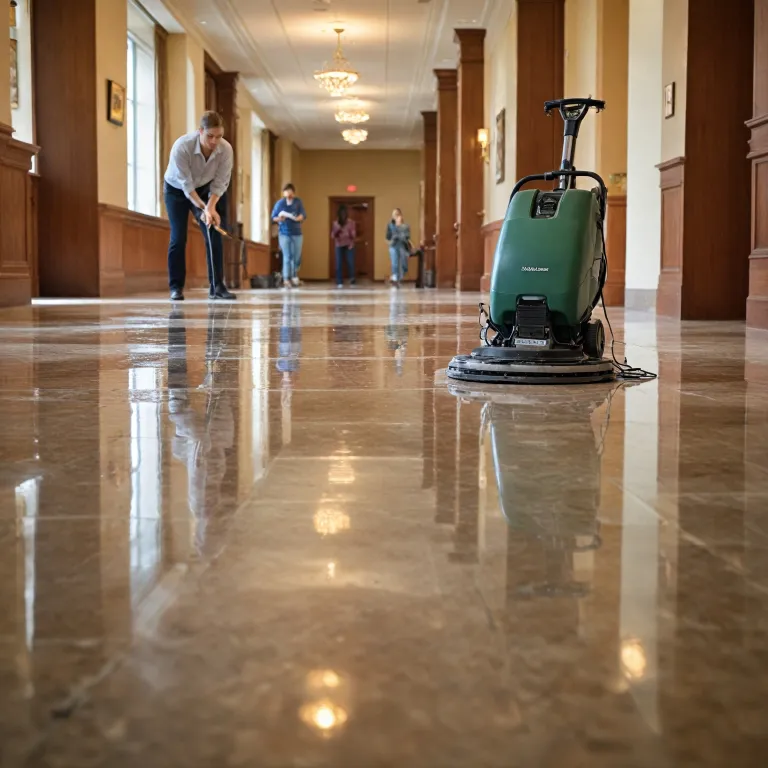
Why a tornado floor machine matters for hospitality operators
For agencies and hotel suppliers, a tornado floor machine is no longer a back of house detail. It has become a strategic asset that protects brand standards across every floor surface, from lobby marble to back corridor concrete. In a world where guest reviews travel faster than any tour operator brochure, the price of poor floor cleaning can be higher than any equipment investment.
Travel managers and OTA partners increasingly audit hygiene metrics, so the original price of a professional floor scrubber must be weighed against long term reputation. When evaluating the price structure, many hospitality buyers now compare the original price with projected payments over several months, aligning equipment decisions with seasonal occupancy. This is where payments low per month and flexible financing options help agencies and hotel groups maintain cash flow while still upgrading their cleaning fleet.
For multi property portfolios, the time required for scrubbing and polishing becomes a key operational KPI. A robust scrubber from Tornado Industries, Inc., the manufacturer based in Fort Worth, can reduce cleaning time per floor by consolidating tasks into a single pass. Because these machines handle both cleaning and scrubbing, they allow housekeeping teams to walk fewer kilometres each shift while maintaining higher presentation standards.
Inventory planning also matters for travel seasonality, especially when current inventory at distributors fluctuates. Buyers must track sku references, check whether the item ships direct from the manufacturer, and confirm delivery time before peak arrival dates. When a tornado floor machine is treated as a strategic asset rather than a commodity, agencies and hotel suppliers can align equipment, staffing, and guest expectations with far greater precision.
Technical strengths of tornado scrubbers for hotel and resort floors
The engineering behind a tornado floor machine directly influences how efficiently a hotel or resort can maintain its public spaces. Tornado’s commercial scrubbers typically combine a 1.5 HP motor with high pad speed, which delivers strong scrubbing power without damaging sensitive floor finishes. This balance is crucial for properties that alternate between stone, tile, and hardwood floors within a single guest journey.
Because the manufacturer uses rotationally molded housings, vibration and torque are absorbed before they reach the operator. Over time this reduces fatigue for cleaning teams who walk long corridors and large ballrooms during night shifts. When staff can operate a floor scrubber comfortably for extended time periods, the quality of cleaning remains consistent from the first room block to the last.
Many tornado scrubbers offer dual speed modes, allowing teams to switch from deep scrubbing to light polishing in seconds. This flexibility means one item can replace multiple scrubbers, simplifying sku management and reducing stock complexity for central procurement. It also helps agencies and tour operators that manage their own welcome lounges or ticketing halls maintain a uniform floor appearance with fewer machines.
From an operational finance perspective, the original price of a tornado floor machine must be compared with the price original of less durable alternatives. Lower cost machines may appear attractive in the current month, but they often require more frequent replacement over the following months. When the manufacturer is known for durability and low maintenance, the total cost of ownership becomes more favourable, especially when combined with payments low per month and structured financing options.
Procurement strategies, price structures, and extended lead considerations
For travel agencies, tour operators, and hotel suppliers, buying a tornado floor machine is rarely a one off transaction. It is part of a broader procurement strategy that must account for lead times, inventory levels, and the realities of multi property operations. The most effective buyers treat each floor scrubber as a long term asset, aligning purchase timing with renovation cycles and high season peaks.
When negotiating price, procurement teams should look beyond the original price and examine the full package. This includes delivery time, whether the unit ships direct from the manufacturer, and any extended lead risks linked to global supply chains. In some cases, a manufacturer extended lead can disrupt opening timelines for new hotels or airport lounges, so the quickest delivery becomes a critical differentiator.
Because manufacturer unknown situations still occur in fragmented markets, agencies should prioritise direct manufacturer relationships or authorised distributors. This approach improves transparency on sku references, current inventory, and service support, which is essential when multiple scrubbers operate across several regions. It also reduces the risk of receiving non original items that do not match the performance of a genuine tornado floor machine.
Financing options are increasingly important for hospitality operators balancing capital expenditure with operational budgets. Structured plans with payments low per month allow buyers to spread the cost of each item over predictable months, aligning with cash flow from group bookings and corporate contracts. By integrating these financial tools with accurate data on inventory levels and time current for delivery, travel and hospitality organisations can modernise their cleaning fleets without compromising liquidity.
Operational deployment across hotels, resorts, and travel hubs
Once a tornado floor machine is purchased, the real value emerges in day to day deployment across hospitality environments. In large resorts, teams often assign specific scrubbers to defined zones, such as lobbies, spa corridors, and conference centres, to match pad types with floor materials. This zoning strategy helps maintain consistent cleaning quality while extending the life of each floor scrubber.
Travel managers overseeing airport lounges or rail station waiting areas face different patterns of foot traffic. Here, the time current between cleaning cycles is short, and scrubbing must be both rapid and discreet to avoid disrupting passengers. A compact tornado scrubber that can walk smoothly around seating clusters and retail units becomes a practical asset for these high turnover spaces.
For OTAs and agencies operating branded welcome desks or pop up experiences, equipment logistics can be complex. They must coordinate delivery time, confirm whether machines ship direct to temporary venues, and manage sku tracking across multiple short term locations. In such cases, the quickest delivery from a reliable manufacturer can determine whether a space opens with pristine floors or visible wear.
Operational leaders should also monitor inventory levels of pads, detergents, and spare parts to avoid downtime. When current inventory is aligned with forecasted occupancy, there is less risk of extended lead disruptions during peak months. By integrating these operational insights with financial planning and flexible payments low per month, hospitality organisations can ensure that every tornado floor machine supports both guest satisfaction and staff efficiency.
Data driven maintenance, sustainability, and financial performance
Modern hospitality groups increasingly apply data driven thinking to the maintenance of each tornado floor machine. They track usage hours, scrubbing intensity, and cleaning schedules to optimise service intervals and extend machine life. This approach transforms a simple floor scrubber into a measurable contributor to asset protection and guest experience.
From a sustainability perspective, efficient scrubbers reduce water and chemical consumption across large floor areas. When a manufacturer designs machines that achieve high cleaning performance with fewer passes, the environmental footprint per square metre decreases. Over several months, this can translate into meaningful reductions in resource use, which appeals to eco conscious travellers and corporate clients.
Financially, the comparison between original price and long term operating costs becomes central to investment decisions. A tornado floor machine with robust engineering may carry a higher price original at purchase, but lower maintenance and fewer replacements improve total ROI. When combined with financing options that spread payments over predictable months, the impact on cash flow remains manageable for agencies and hotel owners.
To support accurate budgeting, procurement teams should maintain clear records of sku references, delivery time, and any manufacturer extended lead events. This data helps forecast when replacement scrubbers or additional items will be required, ensuring that current inventory aligns with expansion plans. By linking these insights to broader financial systems, such as specialised accounting tools for travel agencies, organisations can strengthen the connection between floor care investments and overall profitability ; for more detail on financial transformation, see this analysis of how accounting software transforms financial management for travel agencies.
Partnering with Tornado Industries and aligning with hospitality standards
For agencies, tour operators, and hotel suppliers seeking reliability, the relationship with the manufacturer behind a tornado floor machine is as important as the hardware itself. Tornado Industries, Inc., headquartered in Fort Worth, has built its reputation on commercial and industrial cleaning equipment that withstands intensive use. Their portfolio includes machines dedicated to scrubbing, stripping, buffing, and polishing hard floors in demanding environments.
Hospitality buyers benefit from working with a direct manufacturer or authorised distributor who understands sector specific standards. This ensures that each floor scrubber configuration, from pad choice to motor power, aligns with brand guidelines for lobbies, guest corridors, and meeting spaces. It also simplifies after sales support, as sku tracking, warranty claims, and replacement items are managed through a single, accountable partner.
In markets where manufacturer unknown products circulate, aligning with a recognised brand reduces operational risk. Verified equipment offers clearer information on lead times, potential extended lead scenarios, and the quickest delivery routes to each property. When machines ship direct from the manufacturer, there is greater confidence that the item is original and that the price reflects genuine quality rather than short term savings.
As one internal briefing from the company states, "Tornado floor machines are designed to clean various hard floor surfaces, including tile, concrete, and hardwood." This capability allows hospitality operators to standardise on a limited range of scrubbers while still addressing diverse floor types across their portfolios. By integrating these machines into a broader strategy that balances price, financing options, delivery time, and inventory levels, travel and hospitality professionals can elevate both operational resilience and guest facing standards.
Key quantitative insights on tornado floor machine performance
- Typical motor power for a commercial tornado floor machine is around 1.5 HP, providing strong torque for intensive scrubbing without excessive energy use.
- Operating weight often reaches approximately 180 lbs, which helps maintain pad contact and consistent cleaning pressure across uneven floor surfaces.
- Pad speed can reach about 3530 RPM on certain models, enabling efficient polishing and buffing in high visibility hospitality areas.
Frequently asked questions about tornado floor machines in hospitality
What types of floors can a tornado floor machine handle in hotels and travel hubs ?
Tornado floor machines are designed to clean various hard floor surfaces, including tile, concrete, and hardwood. This versatility allows a single fleet of scrubbers to serve lobbies, corridors, back of house zones, and travel lounges. For hospitality operators, it simplifies training and reduces the number of specialised machines required.
Are tornado floor machines suitable for both scrubbing and polishing in guest areas ?
Yes, models such as dual speed units offer settings for both scrubbing and polishing tasks. Teams can perform deep cleaning during low occupancy periods, then switch to light buffing before peak check in times. This dual functionality supports consistent presentation standards without expanding equipment inventories.
Where can agencies and hotel suppliers purchase tornado floor machines ?
Tornado floor machines are available through authorised distributors and retailers worldwide, as well as directly from the manufacturer in some markets. Working with recognised partners ensures access to original items, accurate sku information, and reliable delivery time estimates. It also facilitates after sales service, spare parts sourcing, and warranty support.
How should travel and hospitality organisations evaluate the price of a tornado floor machine ?
Decision makers should compare the original price with long term operating costs, including maintenance, energy use, and expected lifespan. Financing options with payments low per month can align investment with seasonal revenue patterns. Factoring in lead times, current inventory, and the quickest delivery routes helps ensure machines are available when new properties or contracts go live.
What role does a tornado floor machine play in guest satisfaction and brand perception ?
Clean, well maintained floors are among the most visible indicators of hygiene in hotels, resorts, and travel hubs. A reliable floor scrubber enables teams to maintain high standards even during intense turnover, reducing slip risks and visible wear. Over time, this consistency supports stronger guest reviews, better OTA ratings, and improved confidence from corporate travel managers.