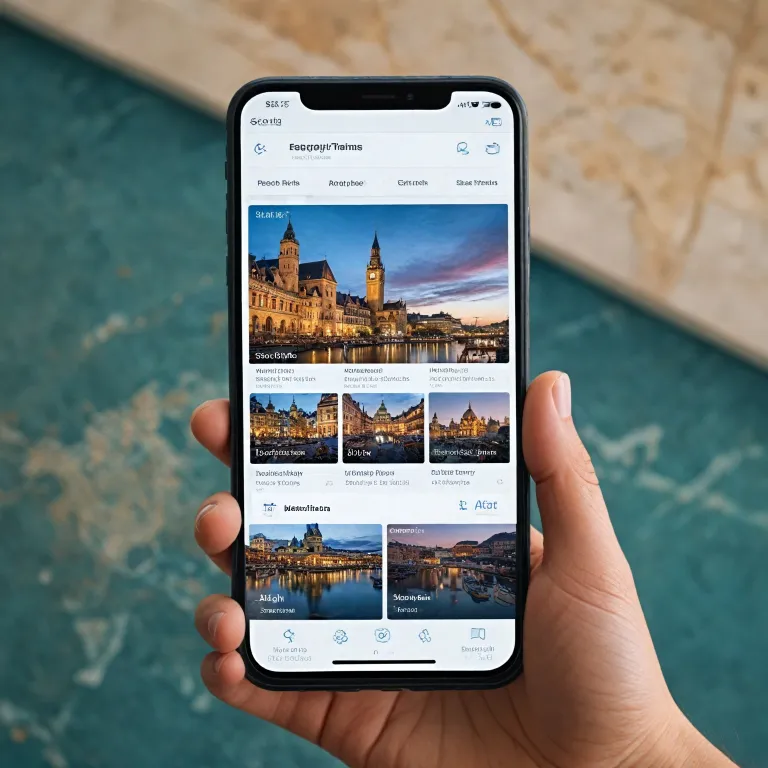
Understanding the core OTA travel app features for agencies and hospitality providers
Online travel agencies (OTAs) have transformed the travel industry by offering comprehensive digital solutions for both leisure and business travel. The integration of advanced OTA travel app features is now essential for travel agencies, tour operators, travel managers, and hotel suppliers seeking to remain competitive. These features enable seamless online booking, real-time data access, and a user-friendly experience for travelers and potential guests. The modern OTA platform acts as a bridge between travelers and hotels, leveraging software and systems to streamline hotel bookings and maximize revenue. By utilizing a robust booking engine, agencies and hotels can efficiently manage bookings, optimize inventory, and enhance the guest experience. The ability to process bookings in real time and synchronize with channel manager systems ensures that property availability is always up to date. This not only increases hotel occupancy but also builds trust with customers who expect accurate information and smooth transactions. For niche OTAs and travel agencies, tailored app development and best practices in user interface design are crucial to address specific market needs and improve customer satisfaction. The continuous evolution of OTA travel app features, such as flexible date searches and bundled deals, empowers travel agents and tour operators to deliver added value to their clients. As the travel market grows, the demand for sophisticated, user-friendly OTA travel apps will only intensify, making feature-rich platforms a necessity for all stakeholders in the hospitality sector.
Personalization and data-driven experiences in OTA travel apps
Personalization has become a defining factor in the success of OTA travel app features. By leveraging user data, online travel agencies can offer tailored recommendations, dynamic pricing, and customized travel packages that resonate with individual travelers. The integration of artificial intelligence and machine learning within OTA platforms enables real-time analysis of customer preferences, booking history, and travel patterns. This data-driven approach not only enhances the user experience but also increases hotel bookings and revenue for property owners and suppliers. For travel managers and agencies, the ability to access detailed analytics and reporting tools within the app provides valuable insights into market trends and guest behavior. These insights support strategic decision-making and help optimize marketing efforts. The use of secure software systems ensures that sensitive customer data is protected, fostering trust and loyalty among users. As travelers increasingly expect personalized service, OTAs and travel agencies must prioritize the development of features that anticipate and fulfill these expectations. For example, setting up price alerts and flexible search options allows users to find the best deals and book at optimal times. To further explore how personalization is shaping the industry, consider reviewing this comprehensive guide on personalized travel technology solutions. Ultimately, the ability to deliver a customized, data-driven experience is a key differentiator for OTAs, travel agents, and hotel suppliers operating in a highly competitive market.
Seamless integration with hotel systems and channel managers
One of the most critical OTA travel app features is seamless integration with hotel property management systems and channel managers. This connectivity ensures that hotel availability, rates, and inventory are updated in real time across all online travel platforms. For hotel suppliers and travel agencies, such integration eliminates the risk of overbooking and discrepancies, providing a consistent experience for both travelers and property owners. The use of advanced booking engines and third-party software solutions allows OTAs to synchronize data efficiently, reducing manual intervention and operational errors. This level of automation is particularly beneficial for niche OTAs and travel agencies managing multiple properties or catering to specific market segments. By adopting best practices in system integration, hotels and agencies can increase hotel occupancy rates and optimize revenue streams. The ability to manage bookings, cancellations, and modifications through a unified app interface enhances operational efficiency and guest satisfaction. For a deeper understanding of integration strategies, refer to this article on hotel system connectivity. As the travel industry continues to digitize, seamless integration will remain a cornerstone of successful OTA travel app development, benefiting all stakeholders from travel agents to hotel suppliers.
User-friendly design and mobile optimization for the modern traveler
In today’s fast-paced travel market, user-friendly design and mobile optimization are non-negotiable OTA travel app features. With 60% of travelers using mobile apps for booking, the demand for intuitive, responsive interfaces is at an all-time high. OTAs and travel agencies must prioritize app development that caters to the needs of both leisure and business travelers, ensuring that navigation, search, and booking processes are straightforward and efficient. A well-designed travel app enhances the overall user experience, encouraging repeat bookings and positive reviews. Features such as one-click booking, real-time notifications, and easy access to customer support are now standard expectations among travelers. For travel managers and tour operators, mobile-optimized apps facilitate on-the-go itinerary management and instant communication with clients. The incorporation of visual elements, such as immersive destination previews and interactive maps, further enriches the user experience. As the competition among OTAs intensifies, those who invest in user-friendly, mobile-first app development will be best positioned to capture and retain market share. Ultimately, a seamless, engaging mobile experience is essential for meeting the evolving expectations of today’s travelers and potential guests.
Security, trust, and compliance in OTA travel app development
Security and trust are foundational elements of successful OTA travel app features. As travelers and agencies increasingly rely on online platforms for booking and managing travel, the protection of personal and financial data becomes paramount. Reputable OTA platforms implement secure payment gateways, data encryption, and compliance with industry standards to safeguard user information. This commitment to security not only protects customers but also enhances the reputation of travel agencies, hotels, and third-party suppliers. The integration of transparent policies and clear communication within the app fosters trust and encourages customer loyalty. For travel managers and tour operators, ensuring compliance with regional and international regulations is essential to avoid legal complications and maintain operational integrity. The adoption of robust software systems and regular security audits further strengthens the resilience of OTA travel apps against emerging threats. As stated in the expert dataset, “Reputable OTA apps implement secure payment gateways, data encryption, and comply with industry standards to protect user information and transactions.” By prioritizing security and trust, OTAs and travel agencies can build lasting relationships with travelers and position themselves as reliable partners in the travel industry.
Maximizing revenue and guest satisfaction through innovative OTA travel app features
Innovative OTA travel app features play a pivotal role in maximizing revenue and enhancing guest satisfaction for all stakeholders in the hospitality industry. The integration of dynamic pricing tools, loyalty programs, and bundled deals enables OTAs, hotels, and travel agencies to attract and retain a diverse customer base. Real-time data analytics empower property owners and travel managers to identify market trends, adjust strategies, and capitalize on emerging opportunities. The use of virtual reality for destination previews and AI-driven recommendations creates a more engaging and personalized experience for travelers. For niche OTAs and agency OTAs, focusing on specialized features and targeted marketing can unlock new revenue streams and strengthen brand identity. The ability to manage hotel bookings, communicate with guests, and process payments through a single app streamlines operations and reduces administrative burdens. As the market continues to evolve, the adoption of innovative, user-friendly OTA travel app features will be essential for increasing hotel occupancy, driving bookings, and delivering exceptional guest experiences. By embracing best practices in app development and leveraging advanced technology, travel agencies, tour operators, and hotel suppliers can secure a competitive edge in the dynamic travel industry.
Key statistics on OTA travel app features and market trends
- Number of OTA users worldwide: 700 million
- Percentage of travelers using mobile apps for booking: 60%
- Growth rate of OTA market: 10% per year
Frequently asked questions about OTA travel app features
What are the benefits of using an OTA app?
OTA apps provide a centralized platform for comparing and booking various travel services, often offering competitive prices and user reviews to aid decision-making.
How do OTA apps ensure secure transactions?
Reputable OTA apps implement secure payment gateways, data encryption, and comply with industry standards to protect user information and transactions.
Can I manage my entire trip through an OTA app?
Yes, many OTA apps offer comprehensive trip management features, including itinerary planning, booking modifications, and real-time updates.
What are the latest innovations in OTA travel app features?
Recent innovations include the use of AI for personalized recommendations, subscription-based models for exclusive deals, and virtual reality for immersive destination previews.
How do OTA travel apps integrate with hotel systems?
OTA travel apps connect with hotel property management systems and channel managers to ensure real-time updates of availability, rates, and inventory across all platforms.
References: Statista, Phocuswright, Travelport Digital