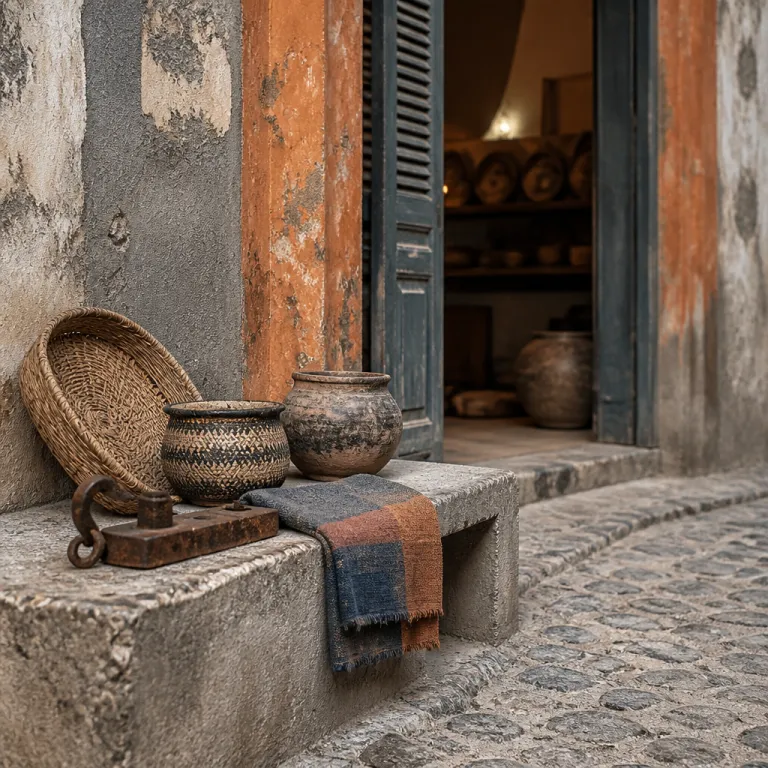
Why luxury travelers now prioritise authentic cultural depth
Luxury travelers have shifted from status driven trips toward culturally rich journeys that feel grounded and human. For agencies, this means every itinerary must connect high end comfort with local context and meaningful encounters rather than just room categories and aircraft cabins. The data is clear: a 2023 American Express Travel survey found that 85 percent of respondents want to experience local culture on their next trip, and Virtuoso’s 2024 Luxe Report notes that cultural immersion now outranks traditional markers of ultra luxury for affluent clients, with advisors reporting strong demand for deeper cultural engagement.
When a client asks for luxury travel today, they usually mean a private and local experience that opens doors into living culture, not only a suite upgrade. They want time with local communities, artisan led workshops, and access to cultural heritage sites outside normal tours and visiting hours. For this audience, a premium portfolio must show how each day of the journey will blend comfort, privacy and genuine cultural depth rather than a generic checklist of sights or a focus on hardware alone.
Agencies that treat cultural immersion as a core product, not an add on, are winning the highest value trips. These travelers are eco conscious and expect low impact options that still respect luxury hospitality standards and service levels. They want to explore culture through locally sourced culinary experiences, private access to ancient ruins, and sustainable tours that protect cultural heritage while still delivering the level of travel luxury they are used to, as highlighted in recent American Express Travel and Virtuoso insights.
Defining authenticity in luxury travel for agencies and hotels
Authenticity in luxury travel is no longer a vague promise; it is a set of concrete design choices that shape every stage of the journey. For leisure agencies, tour opérateurs and travel managers, the brief now starts with cultural immersion and only then moves to aircraft class, room type and rate. Delivering truly authentic cultural programs requires a clear framework so that travel providers, OTAs and hotel partners can operationalise what meaningful cultural travel really means in day to day operations.
At itinerary level, authenticity means using private local guides who live the culture daily and can translate it into curated encounters. It means structuring tours so that travelers spend a full day with local communities, joining traditional activities rather than watching staged performances from a distance. Industry guidance already notes that “How do agencies create authentic itineraries? By collaborating with local communities and experts.” and “Why is authenticity important to luxury travelers? It provides deeper cultural connections and unique experiences.”, reinforcing what many advisors now observe in their own client base.
For hotel General Managers, authenticity translates into how guests expect stay patterns to evolve and how luxury hospitality can support them. Longer journeys that blend high end stays with cultural heritage require flexible check in, breakfast at unusual hours, and meeting spaces repurposed for workshops or culinary culture classes. A strong understanding of travel retail mechanics, as outlined in analyses of how packaging and distribution combine in travel technology, helps agencies and hotels align on where cultural components sit in the value chain and margin structure, so that both sides can invest confidently in immersive programming.
How agencies source immersive cultural experiences at scale
Leisure agencies and tour opérateurs that lead in culturally immersive luxury treat product sourcing like portfolio management, not ad hoc contracting. They build layered networks of local communities, cultural experts and DMCs, then protect those relationships as core intellectual property. The agency that owns the distinctive cultural experience owns the journey, the relationship and the margin that a generic OTA cannot replicate, especially when experiences are co created over several seasons.
In practice, sourcing starts with mapping cultural heritage assets that can sustain eco conscious and sustainable tourism without overloading fragile sites. A Peru specialist, for example, might work with local communities near lesser known ancient ruins to design private tours that limit group size, use eco friendly transport, and include locally sourced culinary experiences in village homes. Explora and &Beyond have used similar models in South America and Africa, partnering with communities to co create signature experiences that justify a premium while still aligning with luxury sustainability principles and measurable community benefits.
Technology now underpins this sourcing work, from CRM based supplier scoring to AI assisted matching between traveler profiles and specific immersion options. Agencies that invest in structured supplier data can track which travel providers consistently deliver high satisfaction on cultural metrics such as depth of experience, respect for culture and sustainability. One Latin America focused DMC, for instance, reported that after introducing a cultural impact score into its CRM, repeat bookings for its most immersive programs rose by more than 25 percent over two years, and B2B focused agencies using targeted lead generation strategies for high intent clients now showcase this curated network of cultural partners as a defensible advantage rather than a commodity add on.
Designing itineraries that balance immersion, comfort and sustainability
Designing a modern luxury journey means orchestrating a precise blend of immersion, comfort and operational feasibility for both agencies and hotels. The most successful programs follow a rhythm: one intense cultural immersion day followed by a slower day focused on wellness, reflection and light exploration. This pattern allows travelers to process what they have lived without feeling rushed or exhausted, while still feeling that every day delivers meaningful value.
Consider a ten night Peru itinerary built around cultural depth rather than a checklist of cities. The journey might start with two nights in a luxury hospitality property in Lima focused on culinary culture, using locally sourced ingredients and eco friendly operations, followed by three days in the Sacred Valley with private access to lesser known ancient ruins and cultural heritage sites. Each day alternates between structured time with local communities and unstructured time at the hotel, where guests expect stay standards such as spa access, quiet spaces and high quality service that allow them to integrate what they have experienced.
For General Managers, this shift requires rethinking how properties support cultural travel without diluting brand standards or profitability. Staff training must cover local culture context so that every interaction reinforces the experiences curated by agencies and travel providers. Hotels that align operations with sustainable and eco conscious practices, from waste management to community partnerships, become preferred partners for agencies building long term portfolios of culturally immersive luxury journeys and repeatable, high yield programs.
Pricing, positioning and marketing culturally immersive luxury
Authentic cultural immersion commands a clear pricing premium when agencies can articulate the value drivers behind each experience. A standard city break might package three nights in a five star hotel with generic tours, while a cultural travel version layers in private workshops with artisans, exclusive access to heritage spaces and eco friendly logistics that support local communities. Virtuoso advisors report that such enhanced itineraries can price 20 to 40 percent higher than conventional packages, yet conversion remains strong because travelers understand how each day of the journey will feel and why the investment is justified.
Positioning these culturally immersive luxury trips requires marketing that foregrounds human stories rather than property features or aircraft cabins. Advisors who have personally joined key experiences in destination can speak credibly about how a trip unfolds, from the first meeting with local communities to the final culinary culture evening hosted by a family. One General Manager of a boutique property in the Sacred Valley recently noted that guests who join community led weaving workshops stay on average one night longer and spend more on local products, illustrating how narrative driven cultural travel can support both guest satisfaction and local economies.
For hotels and travel providers, alignment on messaging is critical so that every touchpoint reinforces the same promise of cultural immersion and luxury sustainability. Visual content should show real travelers engaging in traditional activities, walking through ancient ruins with local guides, and enjoying quiet moments of travel luxury back at the property. When agencies and hotels coordinate on this narrative, they turn cultural experiences from a niche product into the core of a resilient, high value luxury travel portfolio that reflects what American Express Travel and Virtuoso now describe in their latest reports.
FAQ
How do agencies create authentic itineraries for luxury travelers ?
Agencies create authentic itineraries by collaborating directly with local communities, cultural experts and trusted DMCs who can deliver private and sustainable cultural experiences. They audit each trip for depth of immersion, respect for cultural heritage and alignment with eco conscious standards. Custom itineraries then sequence these elements so that every day of the journey balances cultural discovery with the comfort level luxury travelers expect stay wise, using feedback loops and post trip reviews to refine future programs.
Why is authenticity so important to high end travelers now ?
Authenticity matters because affluent travelers increasingly value meaning over display and want encounters that feel real rather than staged. They seek immersion that connects them with local communities, traditional practices and living culture, whether through culinary culture, artisan workshops or time at ancient ruins. This shift explains why such a high share of luxury travelers now prioritise culturally grounded experiences when choosing both agencies and hotels, as reflected in recent American Express Travel and Virtuoso research.
How can hotels support culturally immersive luxury itineraries ?
Hotels support these itineraries by adapting operations to the rhythms of cultural travel, such as flexible meal times, space for workshops and staff trained in local culture. Luxury hospitality properties can partner with agencies and travel providers to co create on site activities that complement off site tours and visits. When properties integrate locally sourced products and eco friendly practices, they strengthen both cultural heritage preservation and the overall travel experience, making them natural anchors for immersive journeys.
What role does sustainability play in cultural immersion products ?
Sustainability is central because cultural immersion often takes place in sensitive environments and communities that need protection. Agencies design eco friendly and eco conscious tours that limit group sizes, reduce environmental impact and ensure that revenue flows fairly to local communities. This approach supports long term cultural heritage preservation while still delivering ultra luxury comfort and high value travel experiences that clients can feel good about booking.
How should agencies market culturally immersive luxury travel to their clients ?
Agencies should market these products through detailed storytelling that explains how each day of the journey will unfold and what cultural experiences clients will actually live. Advisor first hand experience, strong visuals of immersion and transparent explanations of how trips support local communities all build trust. Clear differentiation between standard luxury travel and cultural travel products helps clients understand why these itineraries command a premium and why the travel experience feels different, leading to stronger loyalty and referrals over time.